Air and climate system company Reinders Corporation released a study recently, identifying which global cities are the greenest. This index isn’t just about championing green spaces; it aims to highlight cities that function effectively and sustainably for their citizens.
Of course, the results deserve scrutiny (no mention of Singapore, for example). Yet, it’s hard to argue with the methodology. The review drew from a range of green indicators, such as air quality, public transport efficiency, and use of renewable energy, among other social markers.
There is a growing divide between those who consider themselves environmentalists and their opposites. Regardless of this awkward relationship, one thing is undeniable: cities are far more pleasing when they are green, convenient, and clean.
Vancouver, Canada
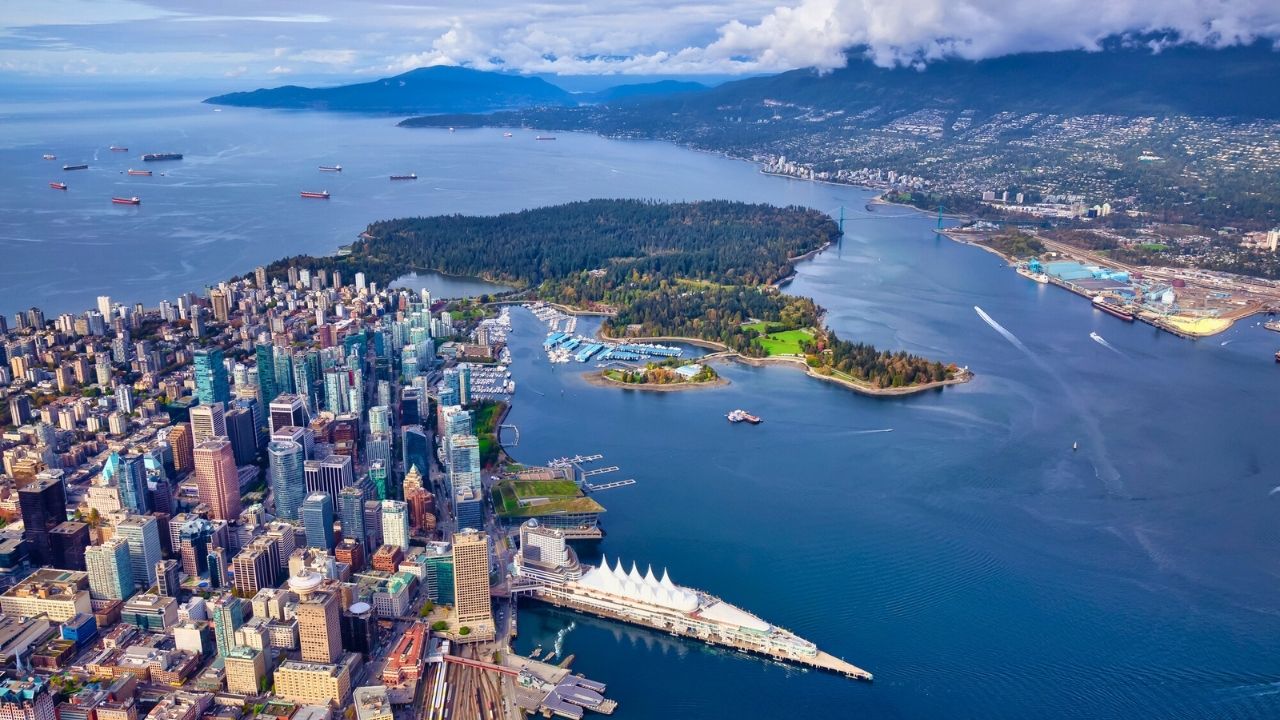
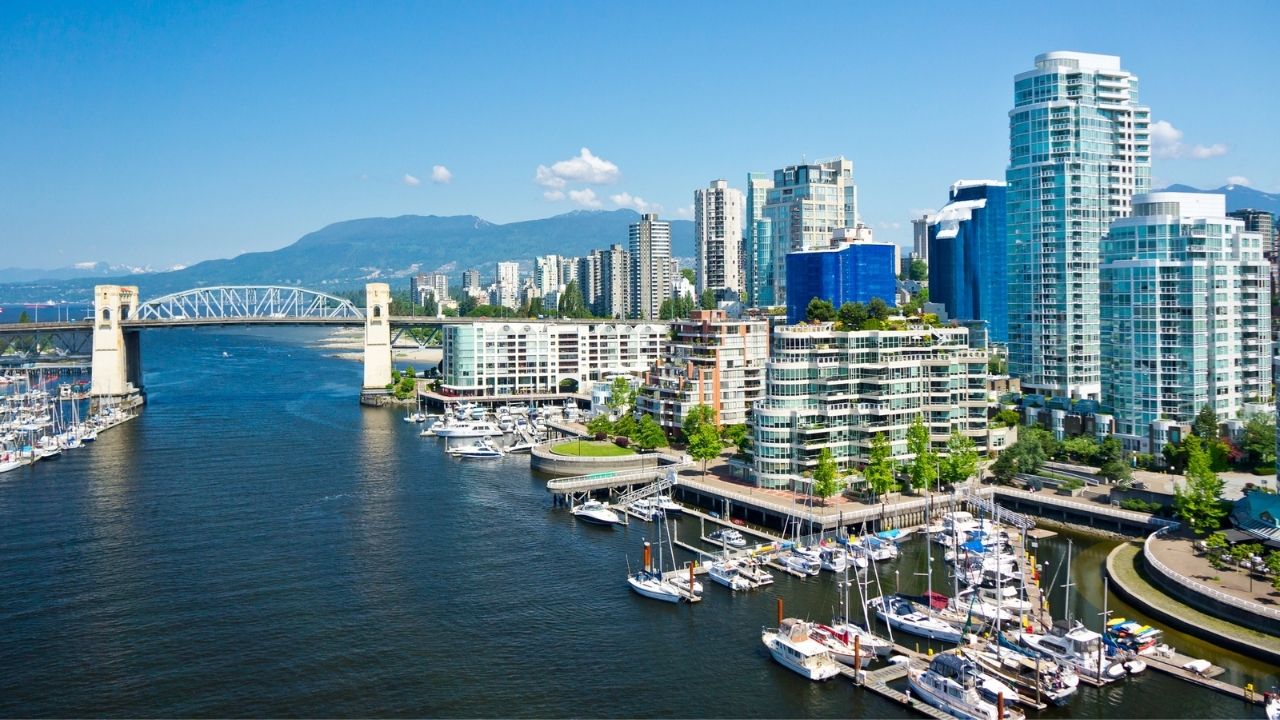
The jewel on the coast of British Columbia, Vancouver, is one of the most geographically epic cities in the world. Nestling on the western edge of British Columbia, it has the North Shore Mountains to the north, the Canadian Cascades to the east, and Vancouver Island to the west.
Yet, within Rain City, locals are spoilt for choice. Best Places Vancouver shares many of the city’s coolest ecotourism activities.
“Stanley Park, Vancouver’s premier urban oasis, spans over 1,000 acres and offers countless ecotourism activities,” reads the guide. “Within the park, Prospect Point is a must-see for breathtaking views of the Lions Gate Bridge and the surrounding waters.”
To illustrate just how great Vancouver is, the city has roughly 1,280 square feet of green space per capita. It also generates a whopping 98% of its energy through renewable sources, which is just showing off.
Oslo, Norway
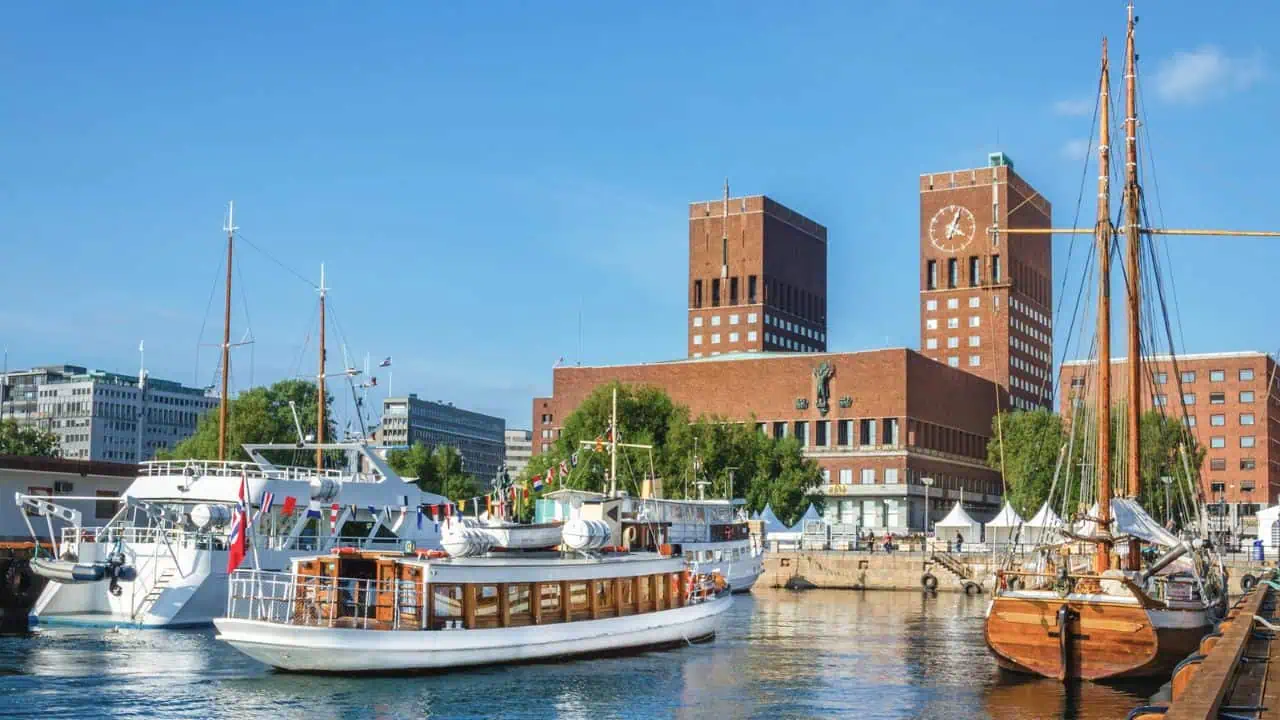
“Oslo operates differently than most European capitals,” explains the Fjord Travel site. “The city sprawls less than others its size, yet claims more green space per capita than nearly any comparable urban area.”
Ironically, Norway’s wealth lies in thanks to well-used petroleum reserves. Yet, Oslo is an emblem of the nation’s proximity to nature.
Imagine a city where jumping off the metro straight onto cross-country skiing routes is normal. In Oslo, no imagination is necessary; this is just one aspect of the open-space appeal in this city.
The GoXski website shows all the routes surrounding the Norwegian capital. Naturally, these natural skiing routes have further appeal as hiking trails during the summer.
Stockholm, Sweden
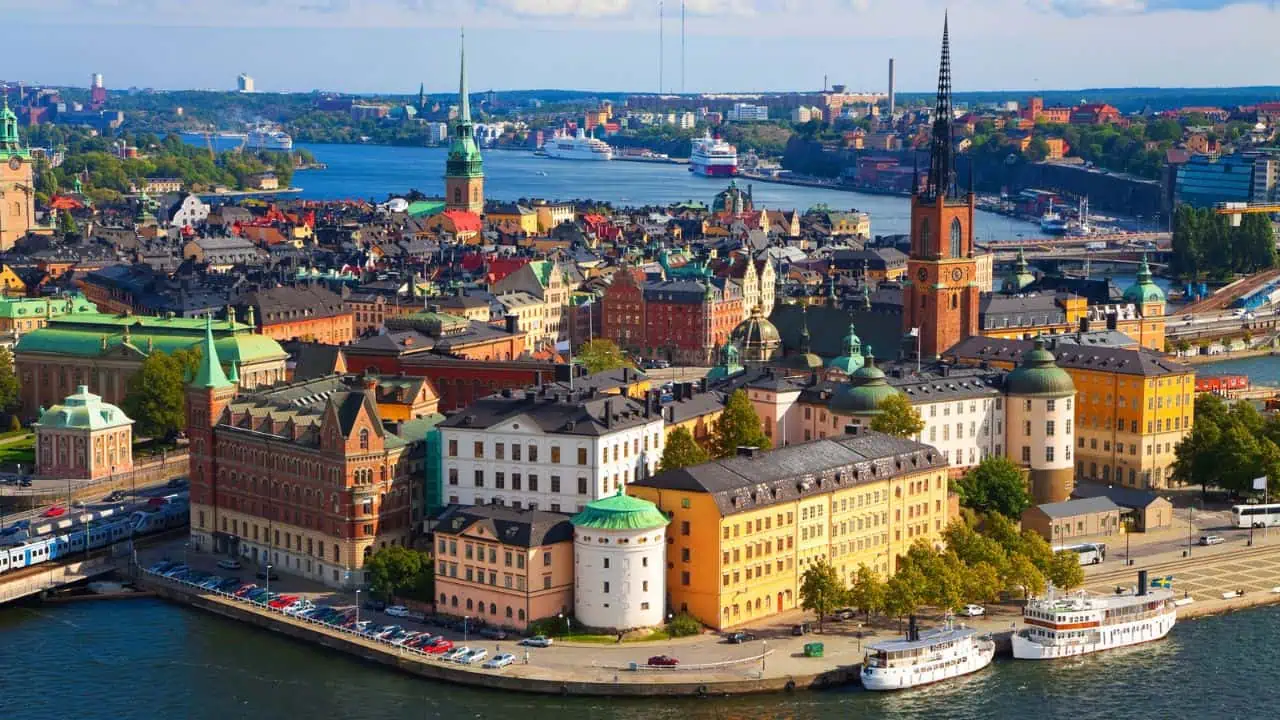
A leap across the North Sea is next in order, as we cross the border to Oslo’s trendy Swedish cousin from across the Baltic, Stockholm. My early memories of visiting Stockholm revolve around returning glass bottles and getting paid Swedish krona as a result.
This system is still in place, thanks to the continued efforts of the Swedish Environmental Protection Agency. Moreover, it now includes metal cans and plastic bottles. Yet, the city is always looking to go even greener.
“Through reduced emissions and increased carbon sequestration, Stockholm aims to be climate-positive by 2030,” states the Stockholm City platform’s statement. “The City of Stockholm as an organization should be completely fossil-free by 2030, and Stockholm should be completely fossil-free by 2040.”
There is every chance Stockholm will give Vancouver a run for its money soon.
Munich, Germany
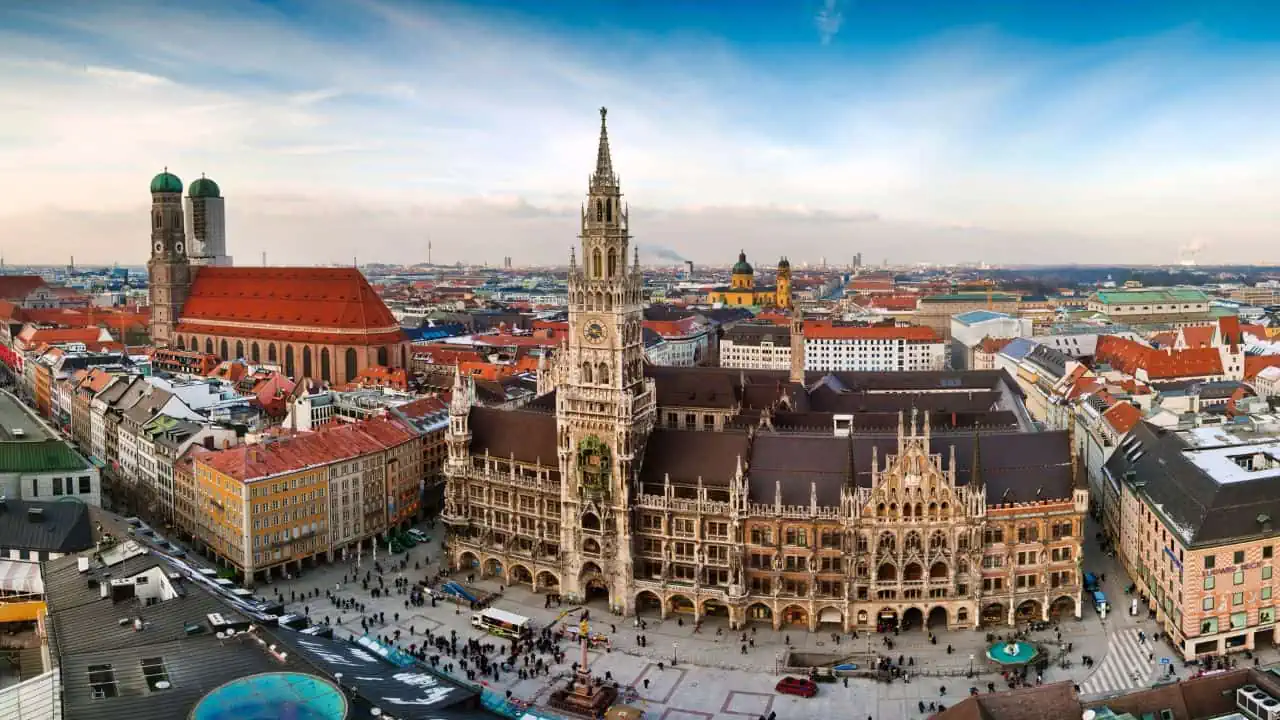
As well as being one of the world’s most innovative cities, Munich also makes Reinders’ top-three green cities ranking. The beating heart of Bavaria boasts a near 970 square feet of green space per person, with one of Europe’s best public transport networks. Being in the foothills of the Bavarian Alps also means hiking trails are never far away.
What’s more, the International Association of Horticultural Producers (Asociación Internacional de Produtores Hortícolas – AIPH) made Munich a finalist in 2024’s World Green City Awards. The reason: the city promotes public vegetable planting gardens, with its authorities ceding public and private agricultural land for this purpose.
Zurich, Switzerland
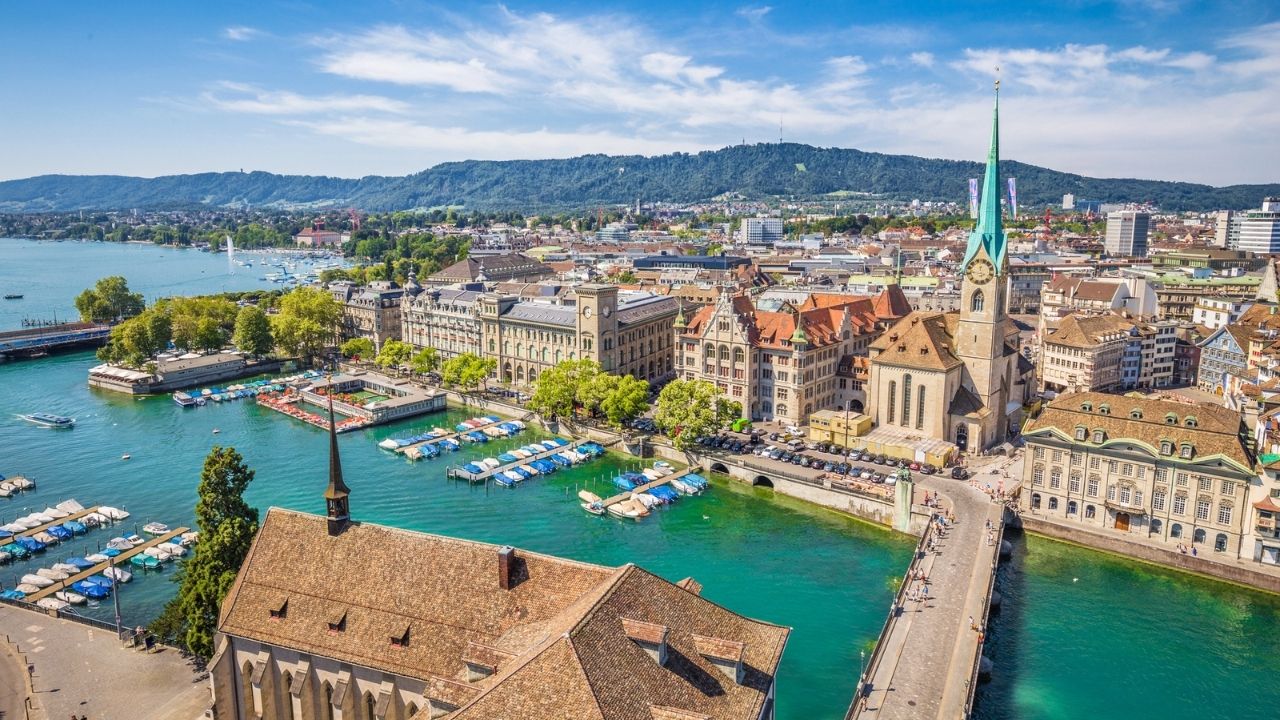
Switzerland’s largest city has been on a good run of late: a recent election as the world’s most intelligent city lies in tandem with this accolade. Clearly, smart people want a city that runs well, looks nice, and functions with the goals of residential harmony and health. Yet, when you speak to residents, the outlook may be different.
We spoke to international school teacher and Zurich resident Kris, who lives in the suburbs with his wife and two daughters. He isn’t so sure Zurich warrants an inclusion in the ranking, though he can see why others would. “Outside the city center, there is plenty of green space, but living out there means commuting.
Sadly, most vehicles are still fossil-fuel powered,” he explains. “However, Zurich’s trams and trains are electric, and recycling is a way of life; the city is very clean as a result.”
Copenhagen, Denmark
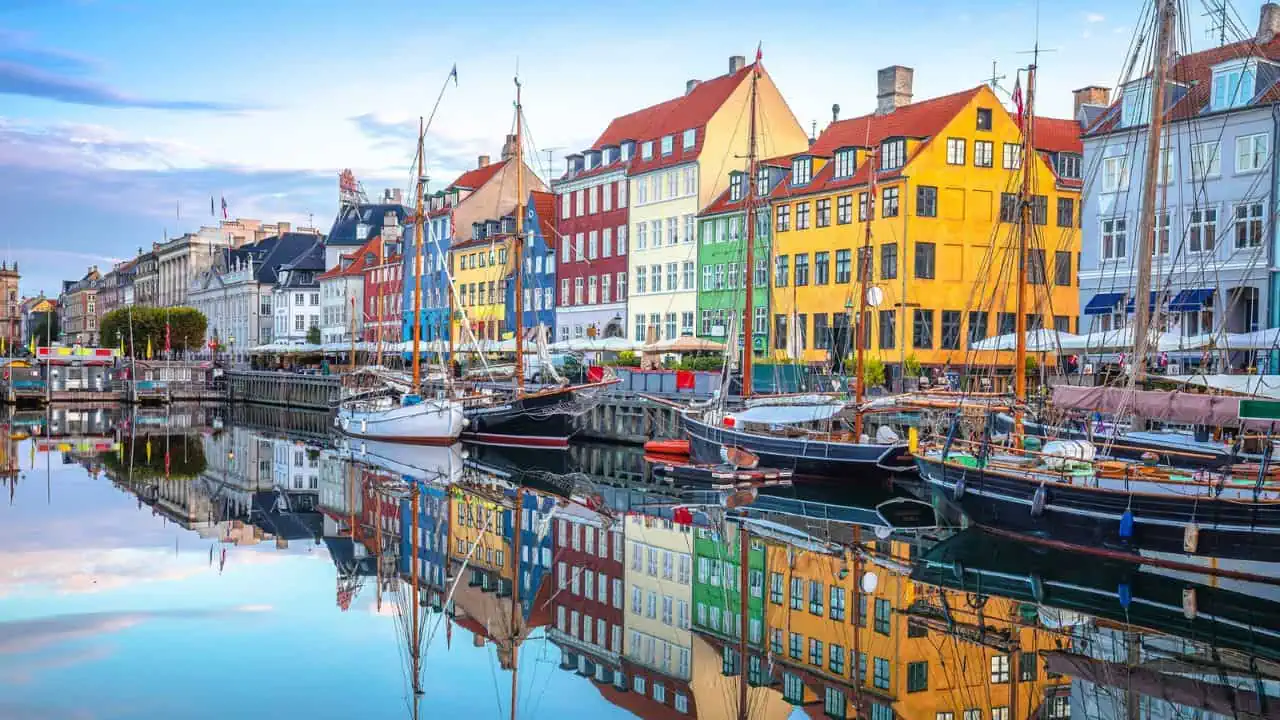
The Danes have a reputation for clean living, not least in their impressive renewable electricity generation.
Yet, one aspect of this Nordic corner where the Danish mindset shines is the attitude to dining, something brought to prominence by the world-renowned Noma restaurant. The sustainable, foraging-based menu has fast become a toast of foodie magnates everywhere.
The Visit Copenhagen guide states, “In Copenhagen, buying organic produce is not considered a luxury, but merely logical.” This ethos comes in some rather awe-inspiring data: almost 90% of all the food served in Copenhagen’s public institutions is organic.
Montreal, Canada
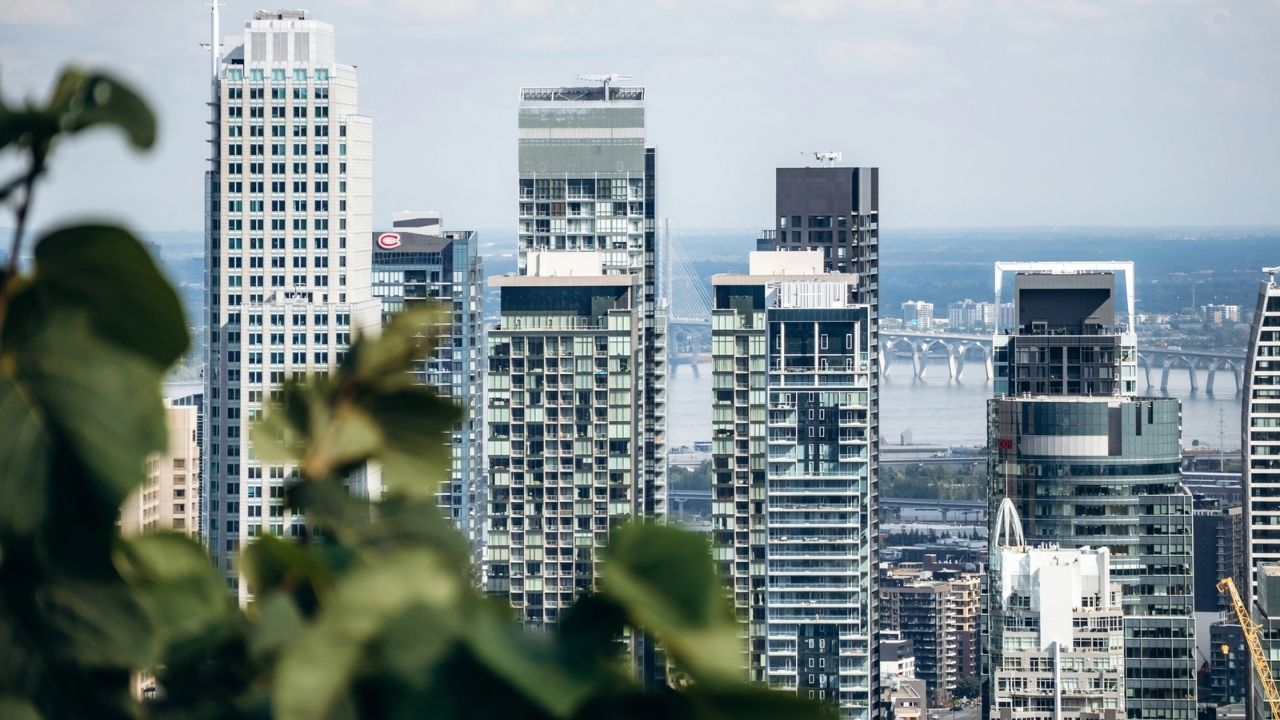
While Canada’s French-speaking capital, Montreal, lives in Vancouver’s shadow in this ranking, it is an impressive place nonetheless. Its Underground City remains a modern miracle of urban planning: 32km of subterranean malls, restaurants, and entertainment venues for the harsh, long winter months.
Moreover, Montreal has some of the world’s most forward-thinking initiatives. The Montreal Climate Plan 2020-2030 exemplifies the city’s approach to improving its residents’ and visitors’ experience. For instance, one objective is to “plant and protect 500,000 trees” around the city, according to the central Montreal website.
The campaign promotes residential, commercial, and public tree planting and “greening” of post-industrial land, among other measures.
San Francisco, United States
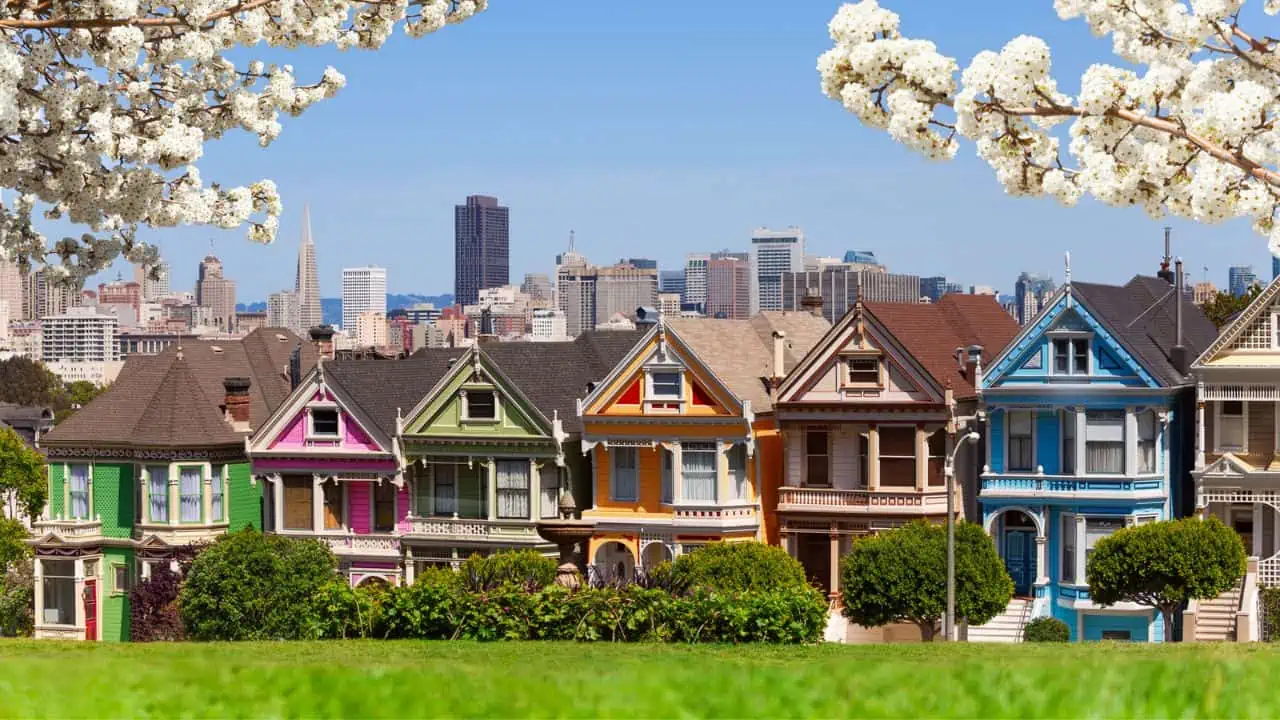
America’s first entry comes, unsurprisingly, from the West Coast. Some would argue San Francisco is the United States’ most European-feeling city, much less its greenest. Furthermore, San Francisco won the 2025 U.S. Conference of Mayors Climate Protection Award.
“San Francisco has long been a leader in climate protection and a hub for innovative climate solutions,” Mayor Daniel Lurie wrote on the SF.gov website. “Our CleanPowerSF program helps hundreds of thousands of households and businesses access clean, reliable electricity while reducing our city’s emissions and building a more sustainable future.”
The Golden City has no subway to speak of, but who needs one when you have the country’s oldest cable car network? This evergreen alternative to smog-producing automobiles is still going strong.
Toronto, Canada
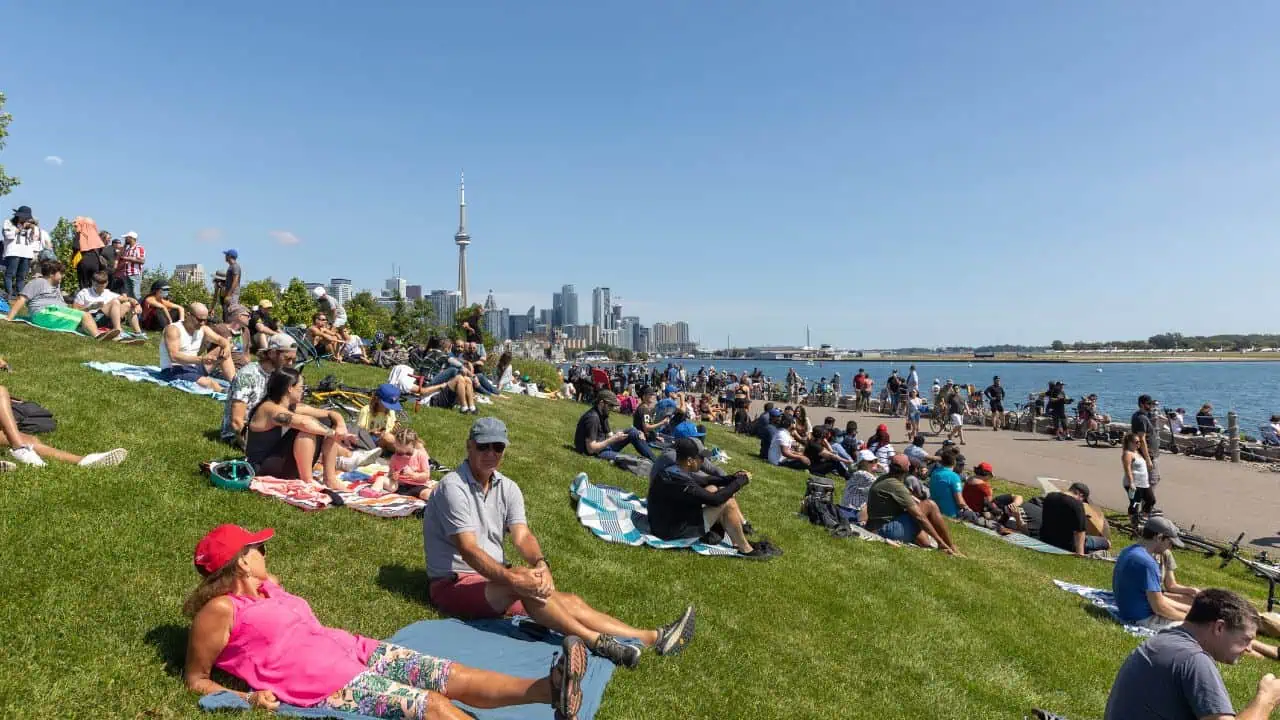
The United States may want to take note here: Canada has a third city in the top-10 to laud over its American neighbors: Toronto. The place Drake calls home is a proud example of smart, urban planning and a neat connection to nature.
Perhaps the greatest testament to the Toronto approach is Don Valley Brickworks. The once-thriving industrial quarry and brickmaking hub turned wasteland is now a “natural environment park” and the city’s flagship green development.
The United Nations Environment Program (UNEP) hails this success story as an “urban oasis” which is “home to ducks, foxes, beavers and even the occasional deer.”
London, England
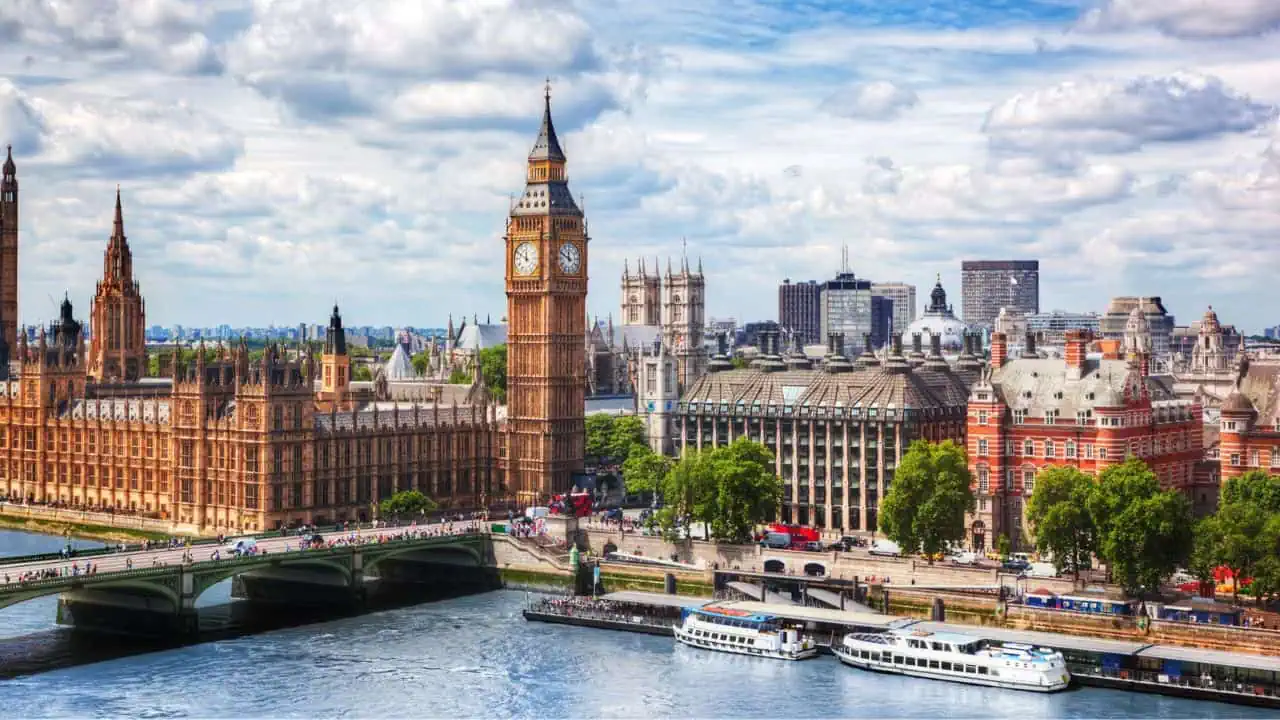
By far my favorite thing to do in London is visit one of the splendid, sweeping parks scattered throughout its districts. Most tourists will be aware of Hyde Park, Regent’s Park, or Green Park. However, within London’s Zone 6 frontier, you will find entire forests, waterways, wetlands, and meadows to enjoy.
Most of the city’s 10 million residents live or operate in Zones 1 to 4, so the outer network feels more like a great, sprawling shire.
If anything illustrates London’s green endeavor, it’s the city’s Congestion Zone and Ultra Low Emission Zone (ULEZ) fee. Since 2003, vehicles entering Zone 1 have had to pay a levy for the privilege. From 2023, the fee was extended all the way to the M25 orbital motorway, covering all 32 boroughs of Greater London.
Thus, the English capital’s former smog-ridden days are well and truly over.

Ben is an expat living expert and travel, news, and features writer with bylines for dozens of publications and online platforms.
Raised in England and with a career background in international education, he now lives in Southern Spain with his wife and son. In total, he has lived and worked on four continents, including Asia, North America, and Africa.
He offers a unique, well-traveled perspective on life, with several specialties related to his travels, namely, food, international living, and culture.
When he isn't writing, you will find him hiking with his family or on the nearest golf course looking for his lost golf ball.