Travelers are quietly rearranging the way they create their vacation itineraries.
Instead of planning around late dinners and nightlife, many people are building itineraries around the earliest hours of the day when destinations feel calmer, more personal, and noticeably different.
For an increasing number of people, the moment that defines a vacation comes before breakfast.
In its 2026 Hidden Trends data, GetYourGuide says more than half of travelers (54%) plan to wake up early to see top attractions without crowds, and it reports a 44% year-over-year increase in morning tour tickets compared to last year.
This is not just about beating lines. It’s about trips built around feeling better, moving at a calmer pace, and getting something memorable done before the day gets too loud.
Why the shift is happening now
Crowds are pushing people earlier. When travelers feel that the “best version” of a place exists in a narrow window before peak hours, they plan around it. GetYourGuide’s data point, 54% willing to wake early to avoid crowds, is a direct signal of that behavior.
Rest is becoming a primary trip goal. Hilton’s 2026 trends predict travel motivations will center on dialing down noise and distraction.
Hilton found “rest and recharge” as the top leisure motivation for 2026 (56%), according to its report Hushpitality: Seeking Sweet Silence. If the trip is meant to recharge, late nights stop being the default.
Travel planning is more intentional. The American Express 2025 Global Travel Trends Report focuses on what drives travel decisions, especially among Millennial and Gen Z travelers.
When the “why” matters more, mornings tend to win because they deliver a clear payoff. You get fewer crowds, better conditions, and a calmer start.
What “morning-first travel” looks like in practice
Morning-first travel is about access.
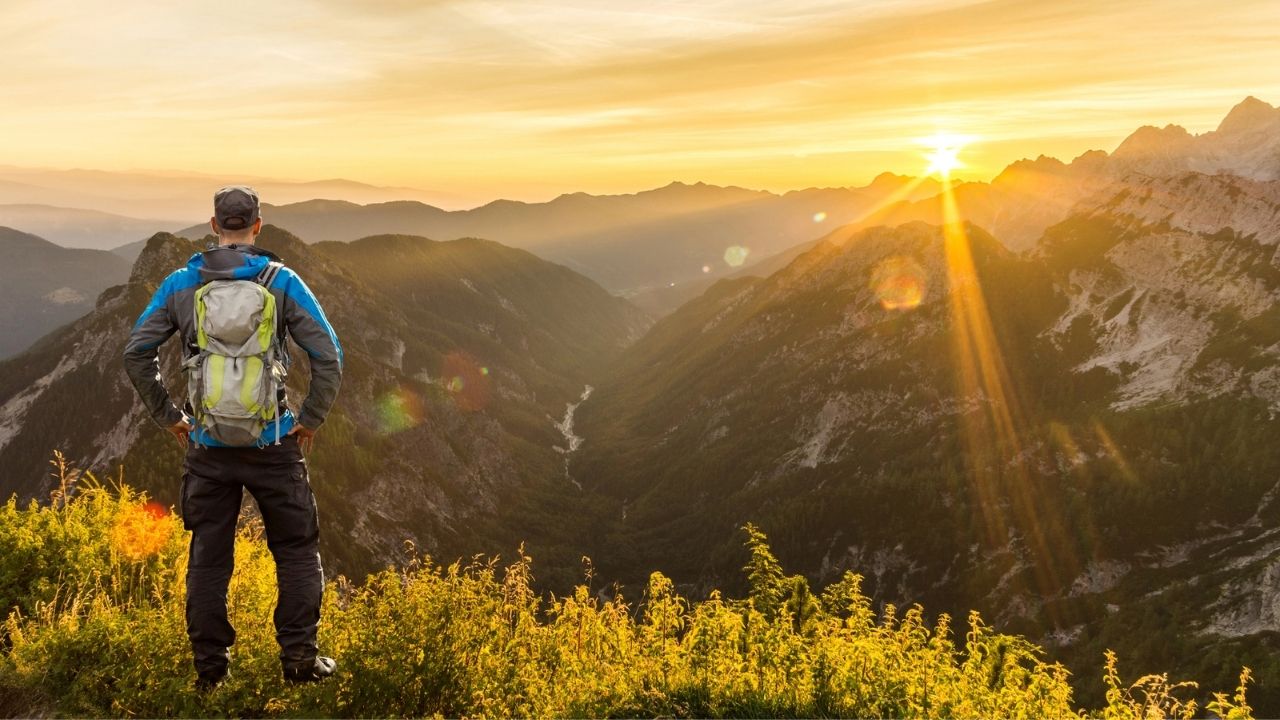
Viewpoints feel quieter at sunrise, trails are cooler and less crowded, and cities reveal themselves before the day shifts into tourist mode.
Museums open into empty galleries, markets buzz while locals shop for the day, and cafés feel like part of daily life rather than a stop between attractions.
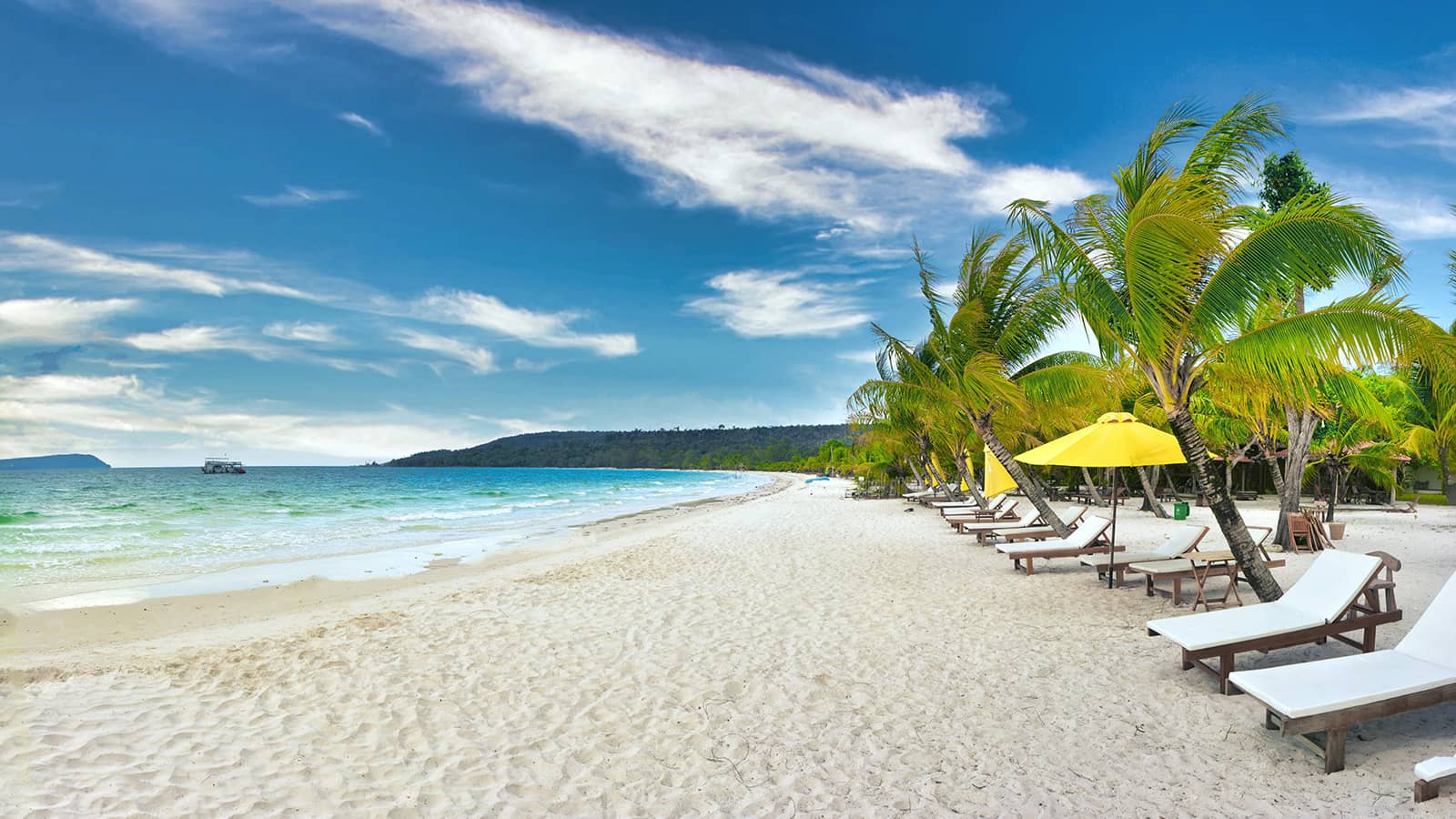
Along the water, early hours bring calmer seas and softer light, offering a version of the beach or coastline that disappears by late morning.
Starting the day this way changes the entire vibe of a trip. The most memorable moment happens early, leaving the rest of the day open and relaxed.
How destinations are responding
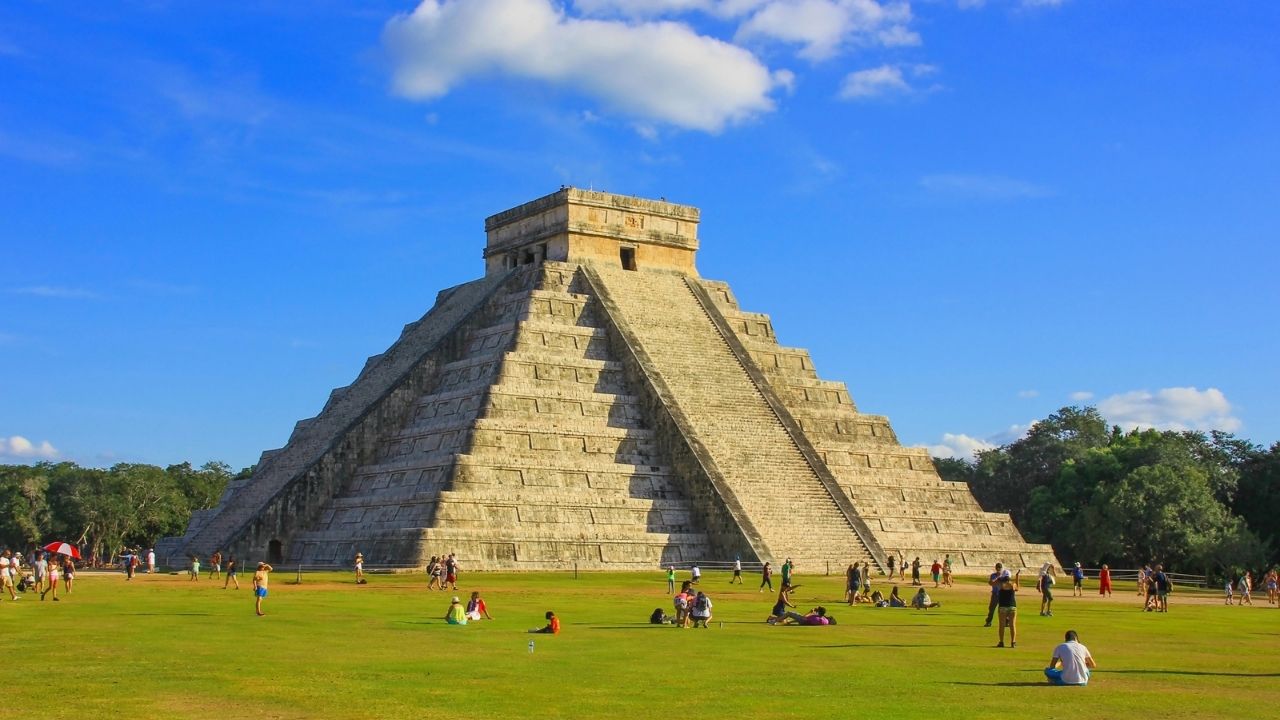
Destinations and tour operators are adjusting to this behavior in subtle ways.
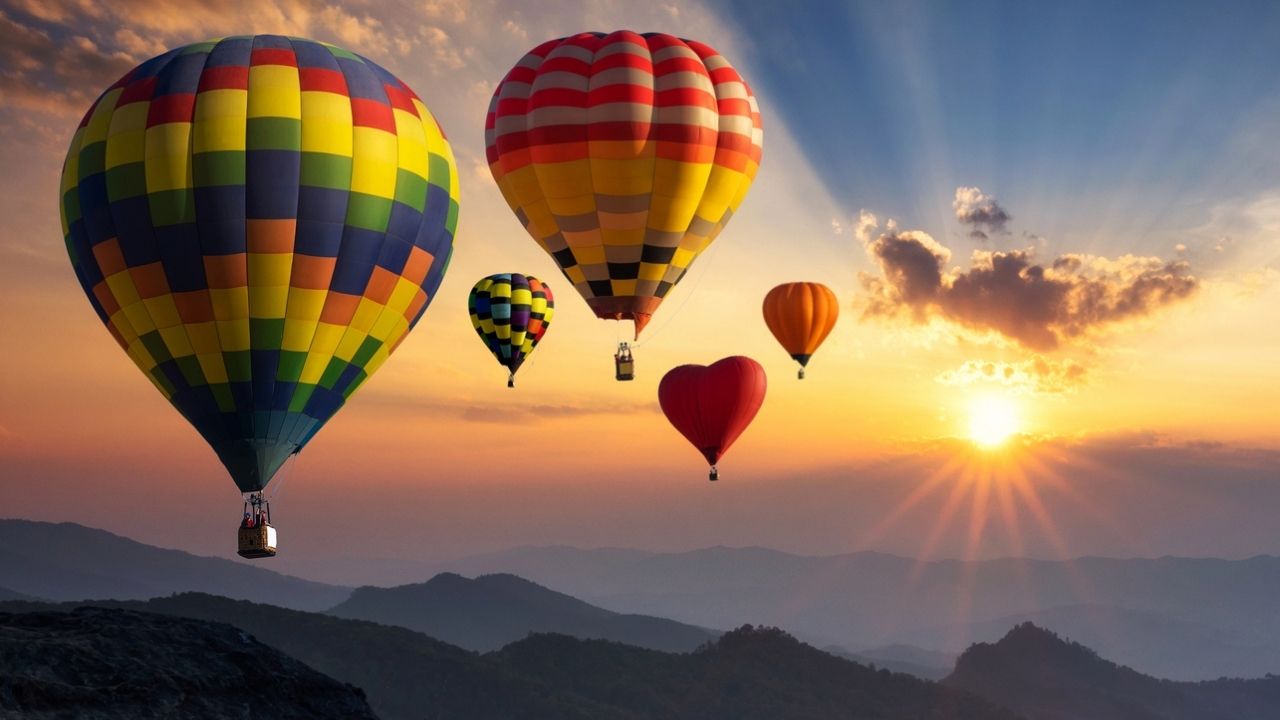
Earlier start times are becoming more common, and some experiences now exist only in the morning. Sunrise boat tours, early access cultural excursions, and dawn wildlife encounters are being positioned as premium options.
Hotels are responding as well. Breakfast hours are expanding, coffee programs are receiving more attention, and quiet communal spaces are being designed for early risers.
Some resorts are even structuring daily schedules so the most appealing activities happen before midday, leaving afternoons flexible.
Morning experiences as memory-makers

There is also a psychological component at play, as experiences that happen early often feel earned.
Getting up before the sun rises can create a sense of intention, making the moment feel special. American Psychological Association’s behavioral research shows that effort and novelty increase memory formation.
You’ll remember how the air smelled, how quiet the setting was, and how different the destination looked before the crowds arrived.
Photography plays a role here, too. Early light produces softer tones and cleaner compositions, and the absence of crowds changes how a place is framed, something long noted by National Geographic.
Many of the images travelers value most on vacation come from the first hours of the day, not late at night.
This does not mean travelers stopped liking nights

Nighttime experiences are still popular; however, the “nightlife” category is being split up into two categories:
- Traditional nightlife, bars, clubs, late nights
- Night experiences that still align with wellness and intention, such as stargazing, night markets, and evening cultural events
The big difference is what gets priority and budget. Many are placing their “must-do” moments earlier, and letting evenings be calmer.
This makes nighttime activities feel optional instead of mandatory, with unhurried dinners and quiet evenings that don’t give you FOMO.
In 2026, the quiet hours before breakfast will become the most intentional part of the trip. The day no longer builds toward nightlife. It begins with the experience that matters most.

Alexandrea Sumuel Groves is a Travel Journalist, Yahoo! Creator, MSN Partner, a member of both the Society of Professional Journalists and North American Travel Journalists Association, and the founder of Wander Worthy. She covers vacation destinations, travel news, and tourism trends.