Southern Spain, referred to as the Andalusia region, has one of Europe’s highest concentrations of historic cities within a compact area.
Roman, Islamic, and Christian rule each left lasting marks on architecture, city planning, and daily life, creating destinations where centuries of history coexist. Andalusia encompasses the Atlantic coast of Cádiz to the Mediterranean shoreline of Málaga, with mountain ranges that shape the climate and travel conditions.
Summer temperatures in inland cities like Seville and Córdoba are among the hottest in continental Europe, while spring and fall provide more comfortable conditions for sightseeing.
Major cities are well connected by high-speed rail and airports, but many smaller towns and rural areas are best reached by car. With multiple UNESCO World Heritage Sites and entry limits at major attractions, planning becomes essential when visiting Spain.
Seville
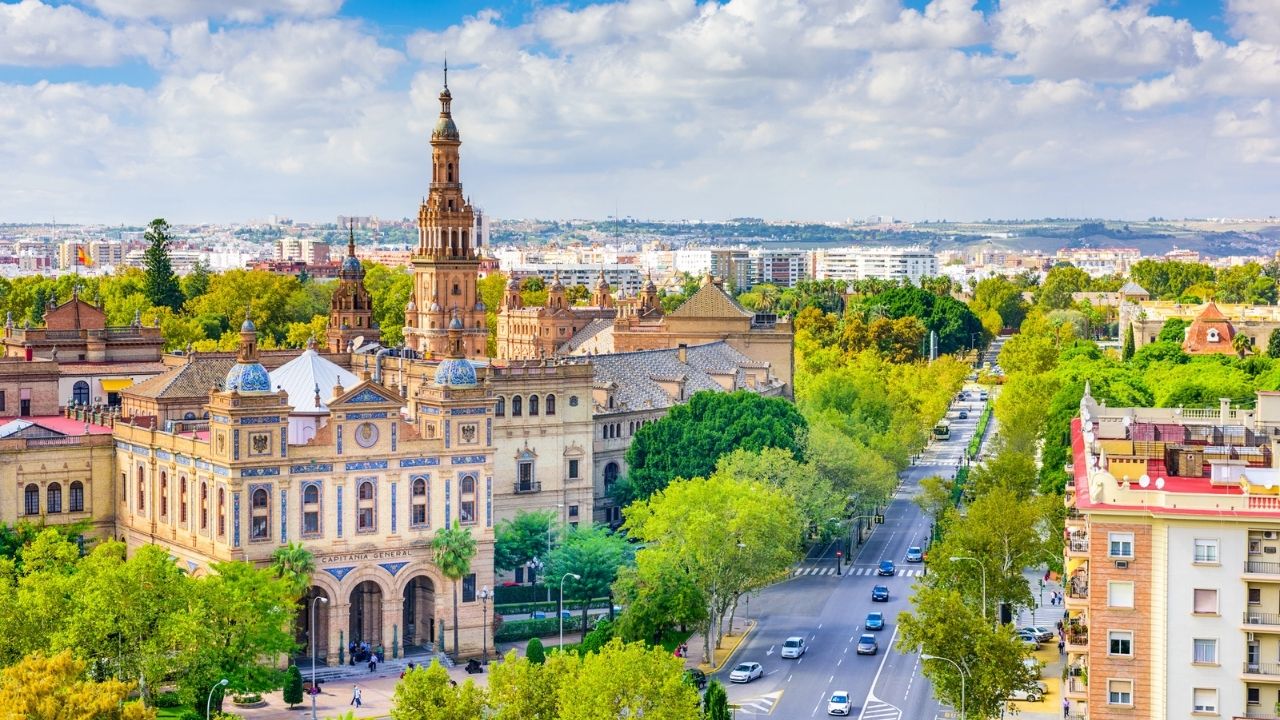
Seville is the capital of Andalusia and one of Spain’s most historically layered cities. It’s home to Seville Cathedral, which is the largest Gothic cathedral in the world. Nearby, the Royal Alcázar of Seville, a UNESCO World Heritage Site, reflects centuries of architectural evolution.
Seville is also central to flamenco culture. The Triana neighborhood, located across the Guadalquivir River, has long been associated with flamenco performers and artisans.
While flamenco is performed across Spain, its development in Seville is closely tied to local history and social traditions.
Granada
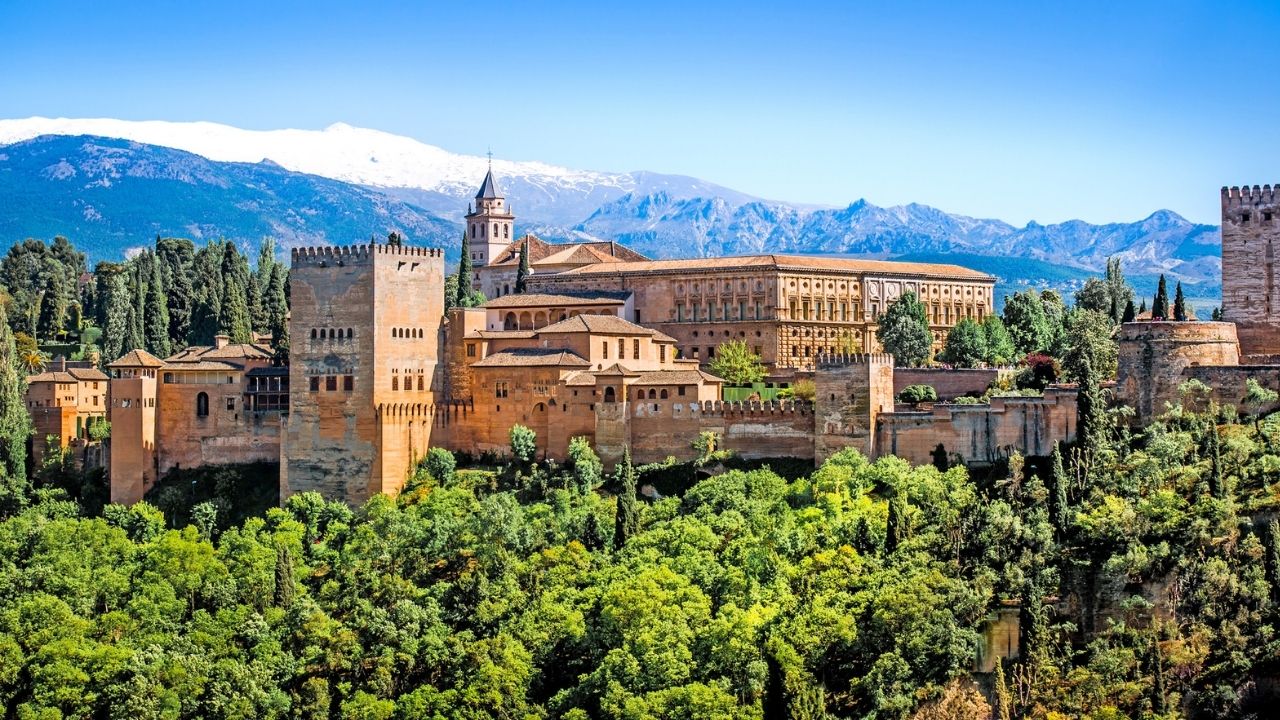
Granada represents one of the most significant surviving examples of Islamic architecture in all of Europe. That history is most evident in the Alhambra, a palace and fortress complex built between the 13th and 14th centuries and now designated a UNESCO World Heritage Site.
The Alhambra includes royal residences, fortified walls, gardens, and water features engineered with advanced hydraulic systems for the period. Daily visitor numbers are limited, making advance ticket purchases essential.
Below the Alhambra, the Albaicín district preserves Granada’s Moorish street layout, with narrow alleys and hillside viewpoints overlooking the palace complex.
Granada is one of the few cities where tapas are traditionally served at no additional cost with drinks, a custom that remains widely practiced in local bars.
Córdoba
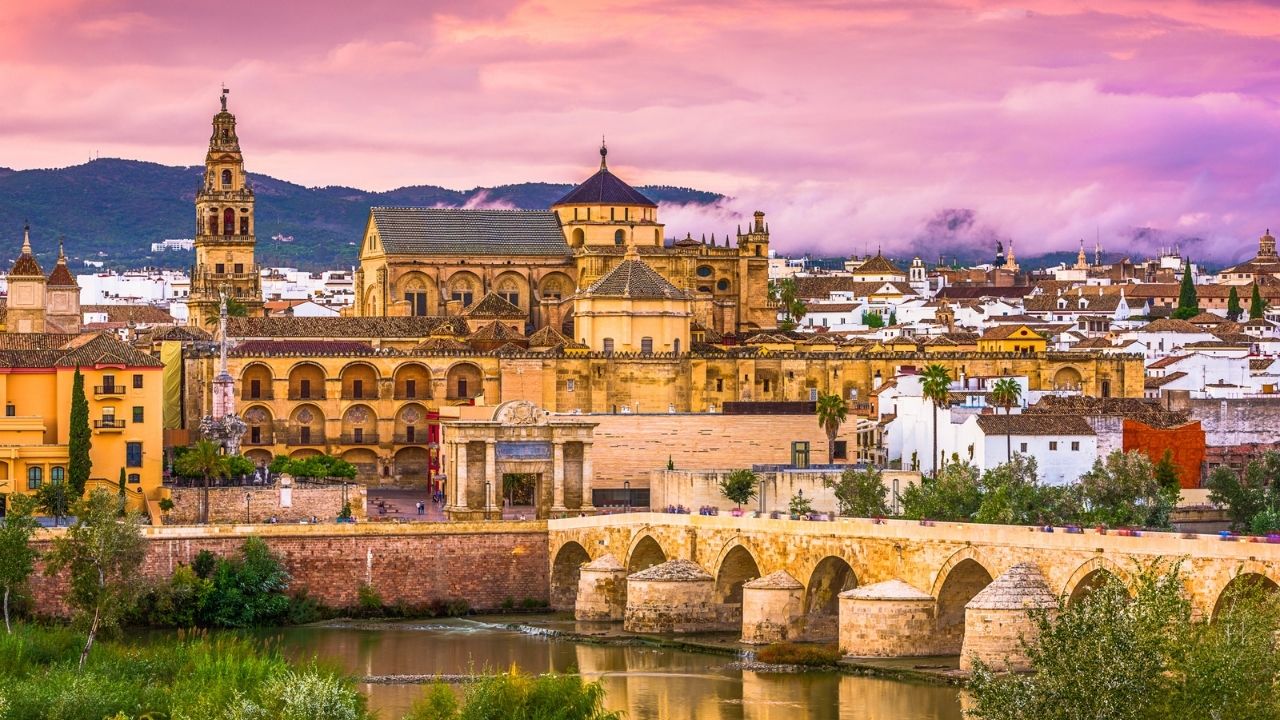
Córdoba was once the capital of Islamic Spain and one of the largest cities in Europe during the medieval period. At its height, it was a center of learning, science, and philosophy, attracting scholars from across the Mediterranean.
The surrounding historic center, designated as a UNESCO World Heritage Site, includes Roman bridges, medieval streets, synagogues, Mezquita-Catedral de Córdoba, and traditional courtyard homes.
Córdoba is also known for its annual Patios Festival, where residents open decorated courtyards for public viewing. Its small size allows travelers to explore easily the city on foot.
Málaga
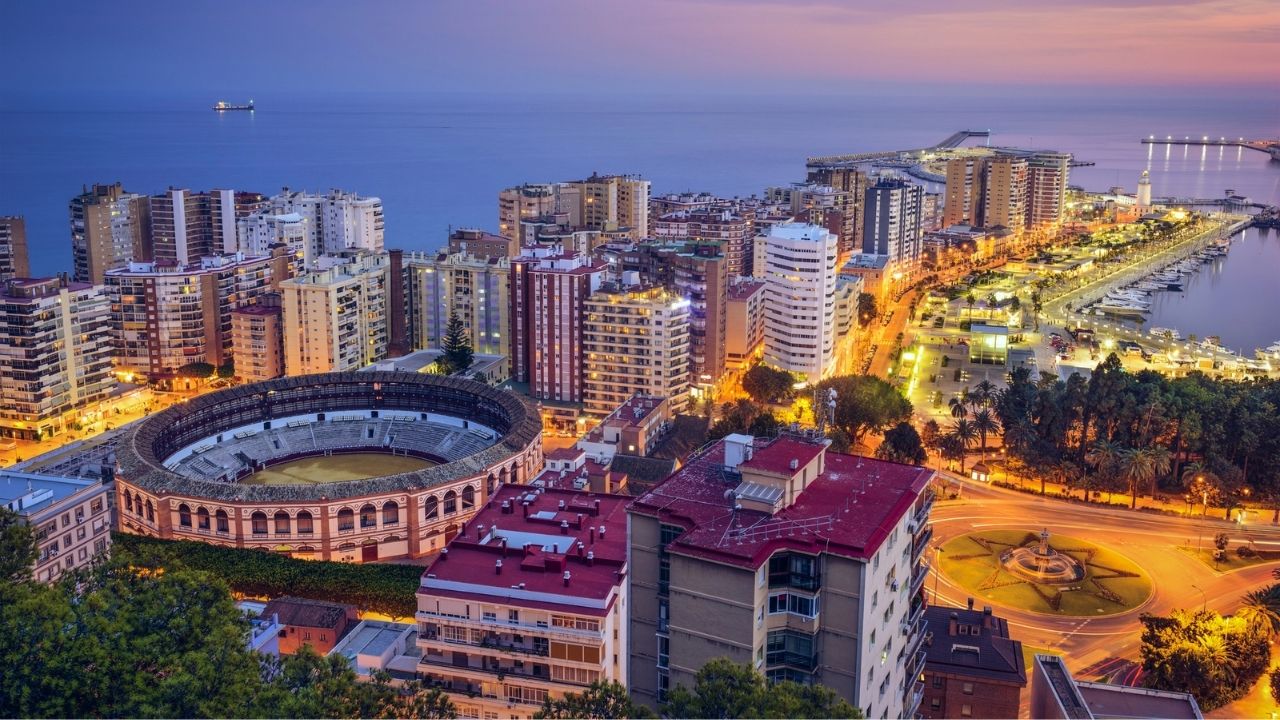
Málaga has coastal access with a strong cultural and museum scene. Founded by the Phoenicians and later developed under Roman and Islamic rule, the city has grown into one of southern Spain’s most active urban centers.
It is the birthplace of Pablo Picasso and home to the Picasso Museum Málaga, which houses a significant collection of his art. Important historic landmarks include the Alcazaba, a Moorish fortress, and Gibralfaro Castle, which offers the best views of the city and coast.
Málaga’s port area and historic center have undergone extensive redevelopment, introducing pedestrian zones, lodging, galleries, and public spaces while preserving historic structures.
Málaga also serves as a gateway to the Costa del Sol and inland Andalusia, supported by one of Spain’s busiest airports. Its combination of history, accessibility, and urban life has made it a year-round destination rather than a seasonal stop. It’s consistently rated one of the top cities in the world to retire.
Ronda
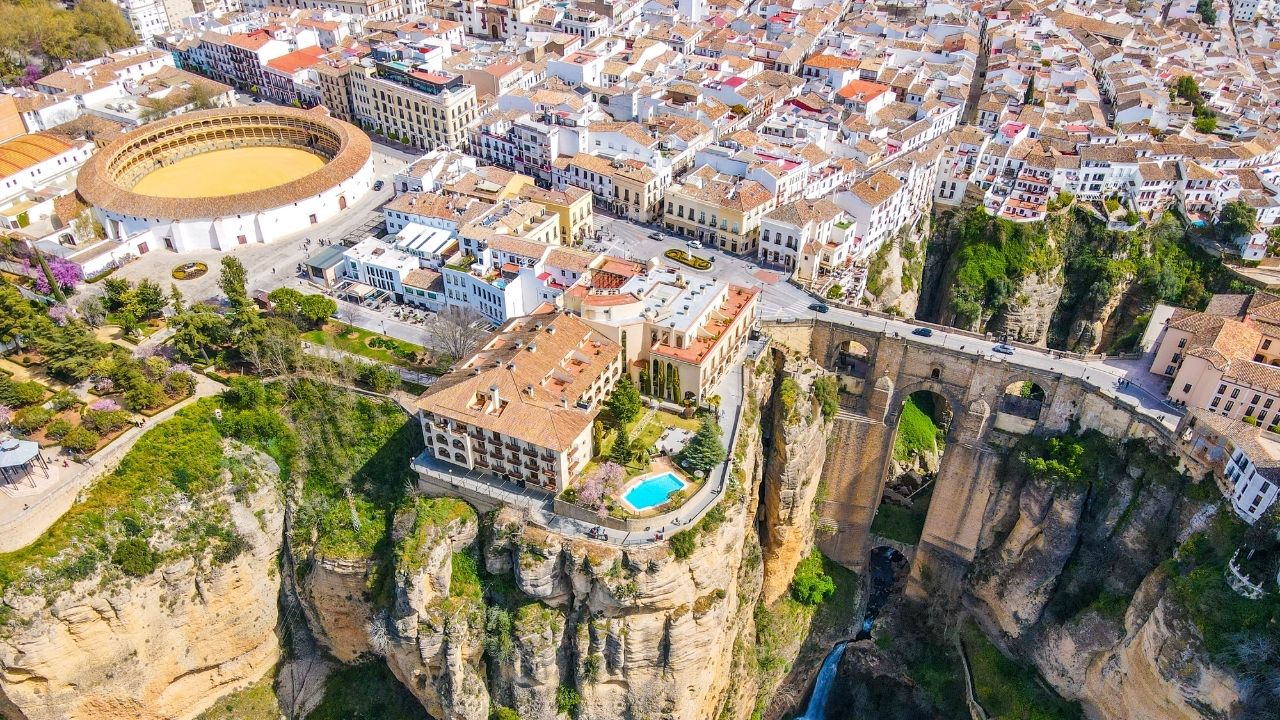
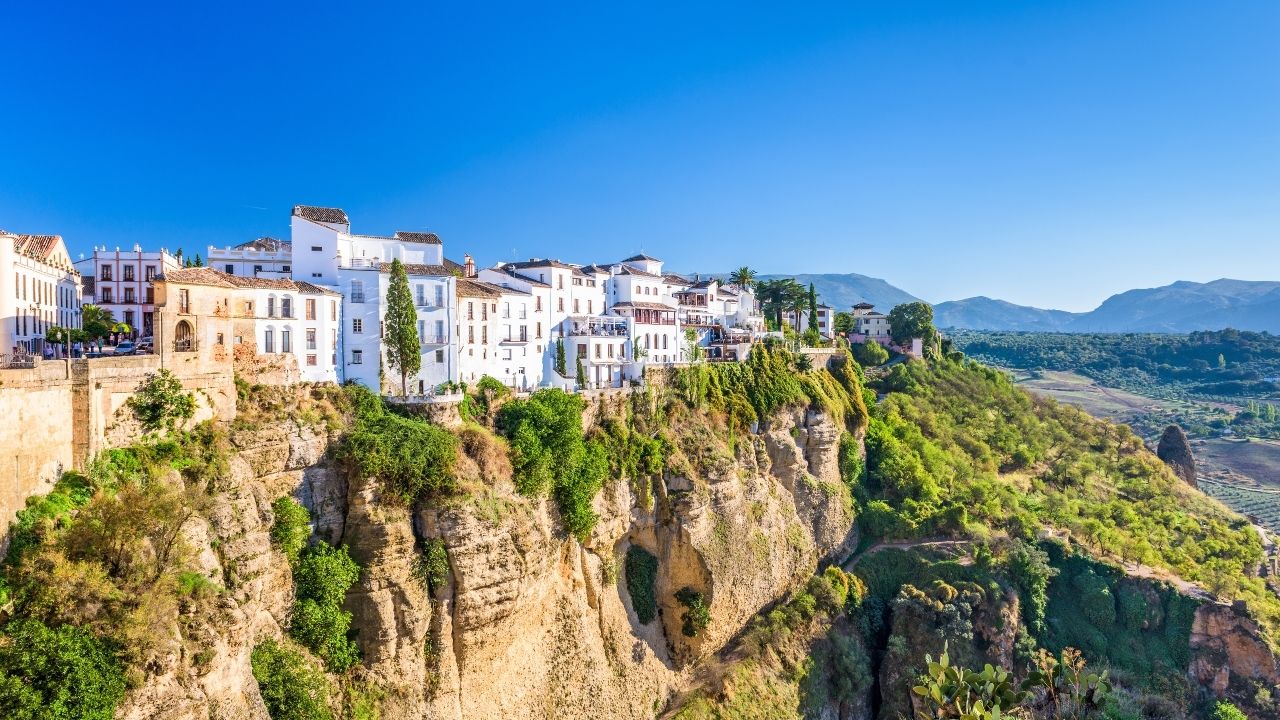
Ronda is known for its dramatic position above the El Tajo gorge, which divides the city into old and new quarters. The most recognizable feature is the Puente Nuevo, completed in 1793, which spans the gorge at a height of over 300 feet. The bridge remains one of Andalusia’s most notable engineering achievements.
The city has long been associated with the early history of bullfighting, and its Plaza de Toros is among the oldest bullrings in Spain. Ronda’s historic districts preserve elements from Roman, Islamic, and Christian periods, while its location makes it a popular base for exploring the surrounding countryside and nearby white villages.
Despite its popularity, Ronda retains a slower pace than larger cities, particularly in the evenings, making it well-suited for travelers interested in history and atmosphere instead of nightlife.
Cádiz

Cádiz is one of Western Europe’s oldest continuously lived-in cities, founded by the Phoenicians in 1100 BCE. Sitting along the Atlantic Ocean, it once played an important role in maritime trade and defense.
Key landmarks include Cádiz Cathedral, with its prominent dome, and Torre Tavira, once used as a lookout for incoming ships. Cádiz also holds a central place in Spanish constitutional history, as it was here that Spain’s first liberal constitution was drafted in 1812.
The city’s compact historic center, combined with Atlantic beaches and a strong local food culture, offers a distinct experience from that of Mediterranean coastal towns.
Costa del Sol
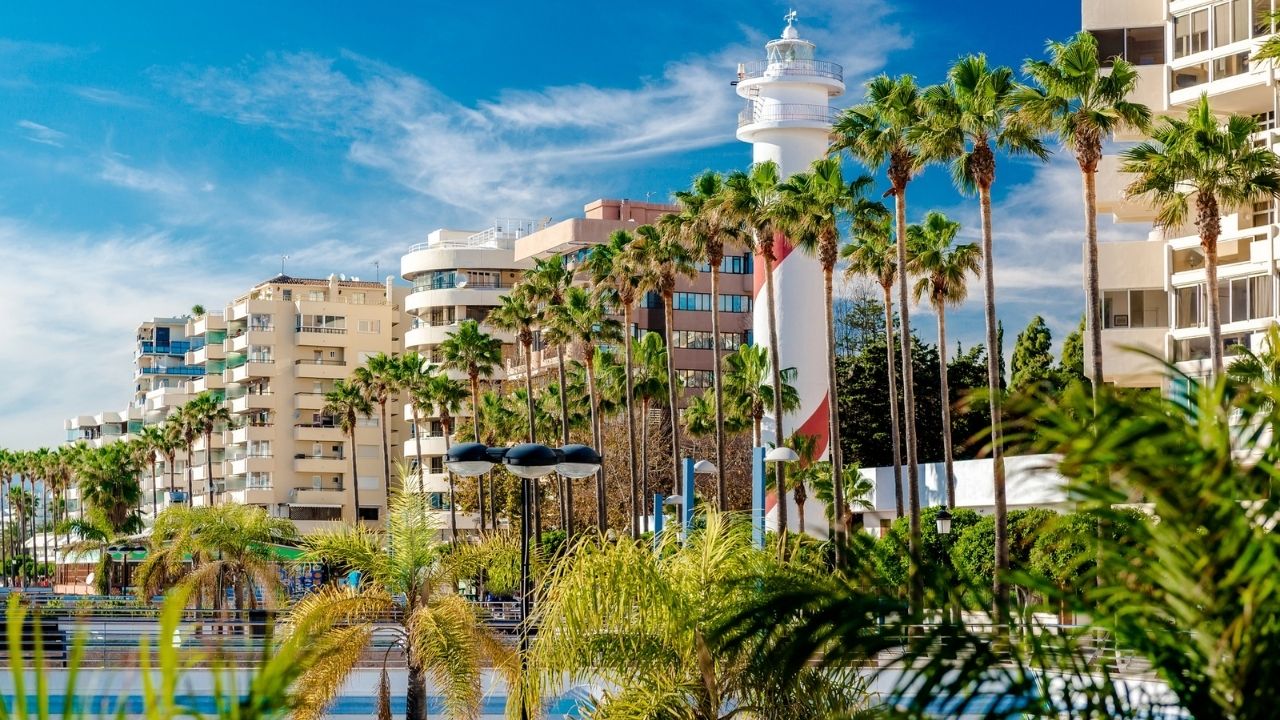
Costa del Sol stretches along the coast of Málaga province and includes towns like Marbella, Nerja, and Torremolinos.
Marbella is known for its old town and marina, while Torremolinos reflects the Costa del Sol’s early role in mass tourism. Nerja offers a quieter atmosphere, with attractions like the Balcony of Europe and the nearby Nerja Caves.
The Costa del Sol’s long beach season, combined with transportation access and accommodation range, makes it one of southern Spain’s most versatile regions for travelers seeking coastal stays and excursions.
White Villages of Andalusia
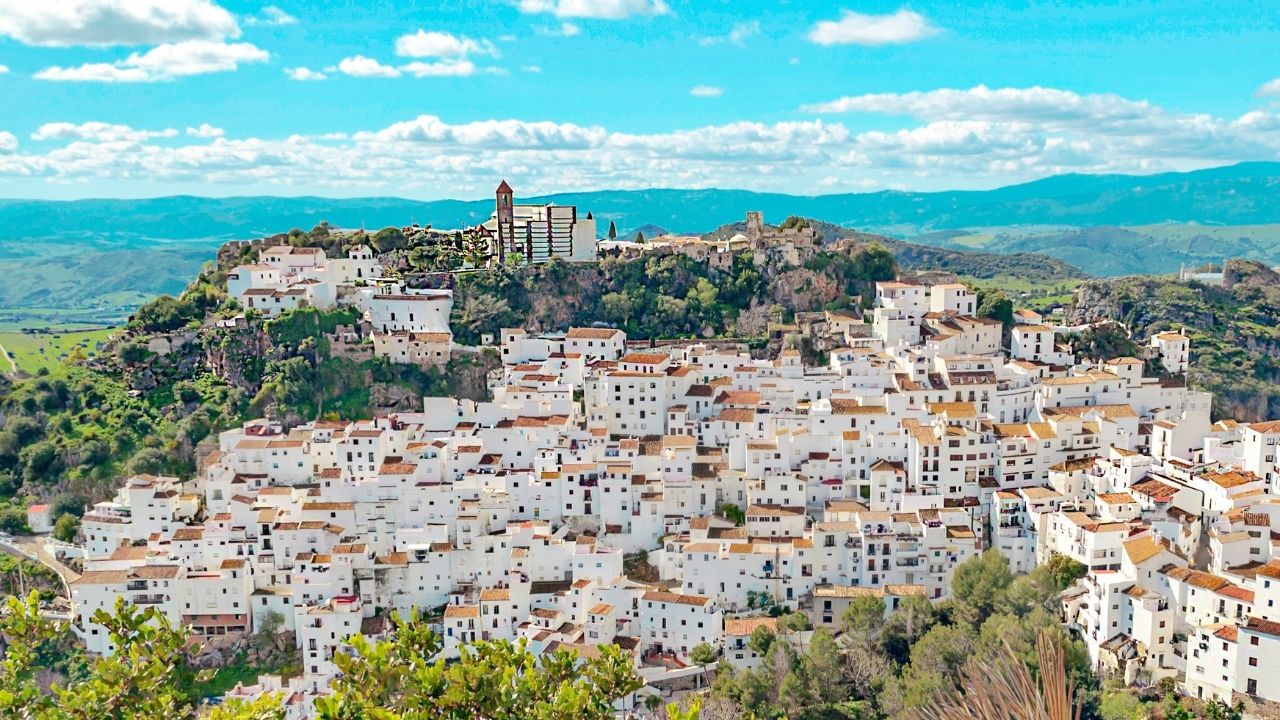
The Pueblos Blancos, or White Villages, are scattered across the hills of Cádiz and Málaga provinces.
Towns such as Zahara de la Sierra, Casares, Grazalema, and Arcos de la Frontera are characterized by whitewashed buildings designed to reflect heat and narrow streets shaped by medieval defensive needs.
Many of these villages occupy hilltop positions established during periods of conflict between Islamic and Christian territories. Today, they preserve traditional layouts, local crafts, and agricultural practices.

Alexandrea Sumuel Groves is a Travel Journalist, Yahoo! Creator, MSN Partner, a member of both the Society of Professional Journalists and North American Travel Journalists Association, and the founder of Wander Worthy. She covers vacation destinations, travel news, and tourism trends.