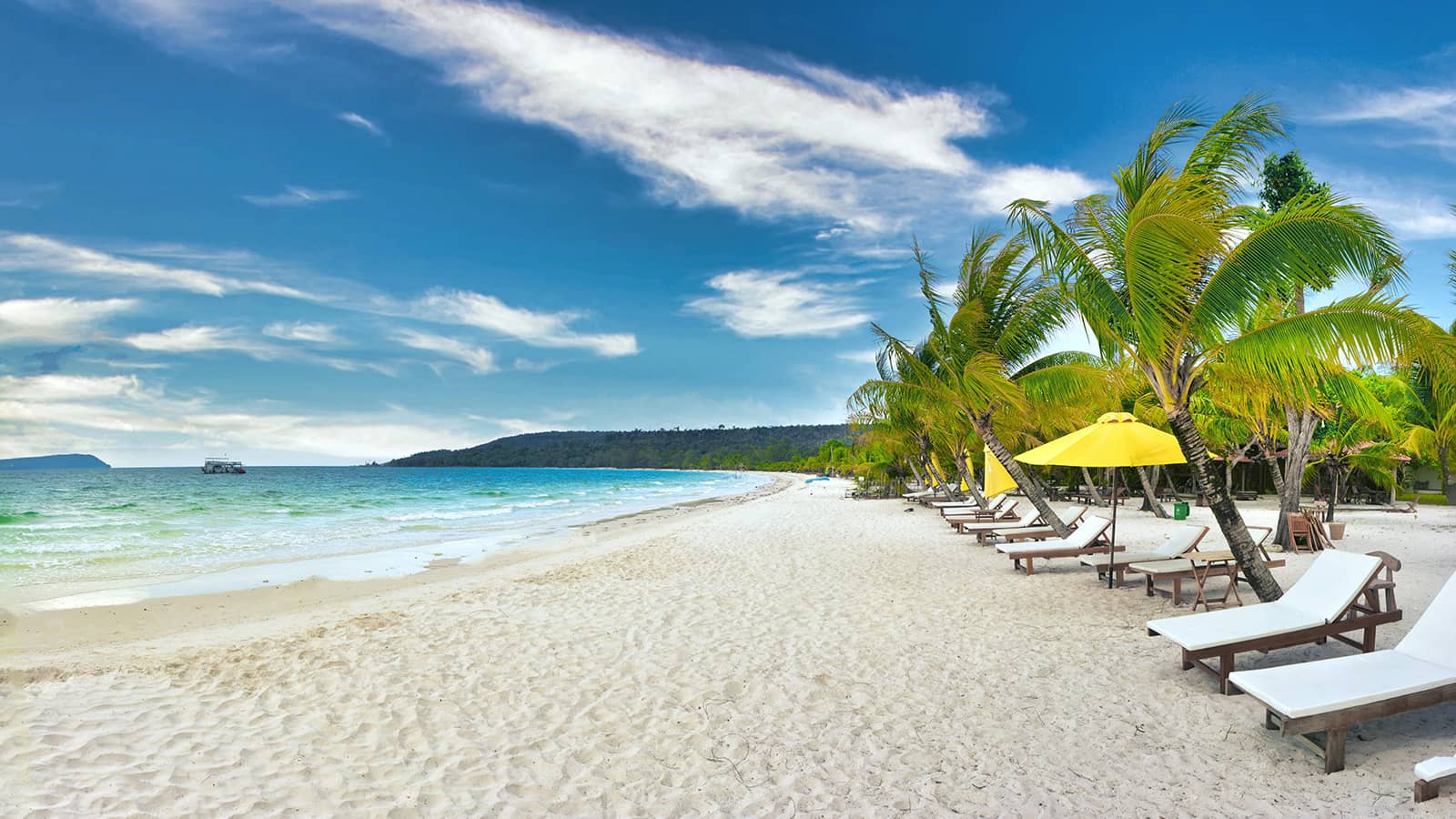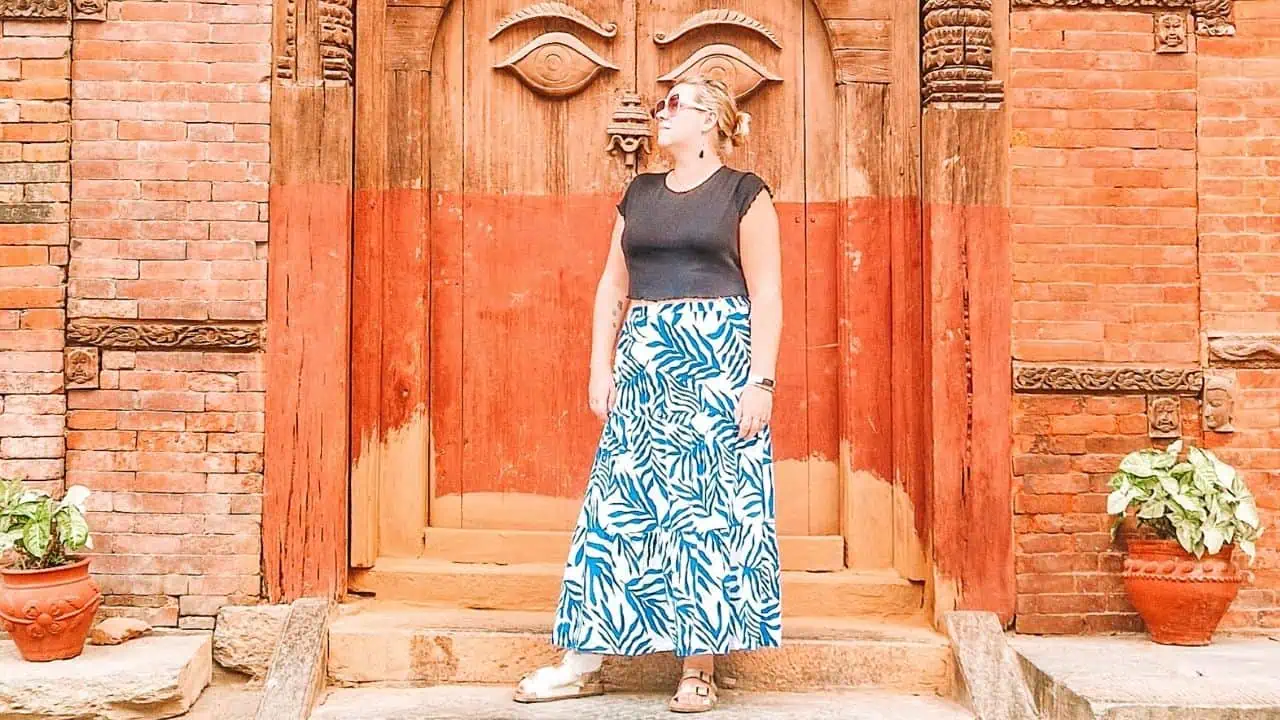
I thought I’d seen it all after six months in Southeast Asia—tree rats, squat toilets, zipline-only treehouses, Komodo dragons, and monkeys with a taste for laundry detergent. Then I landed in Nepal, and everything changed.
I’ve spent the last year traveling around Southeast Asia. Years ago, I promised myself that as I turned 40, I’d seek out adventure. Something similar to the six months I spent traveling South America in my early 20s.
This time, I’d explore a different part of the world. So in July 2025, I shouldered my new backpack (the old one had met with a significant Marmite-based incident) and flew to my first stop, Singapore.
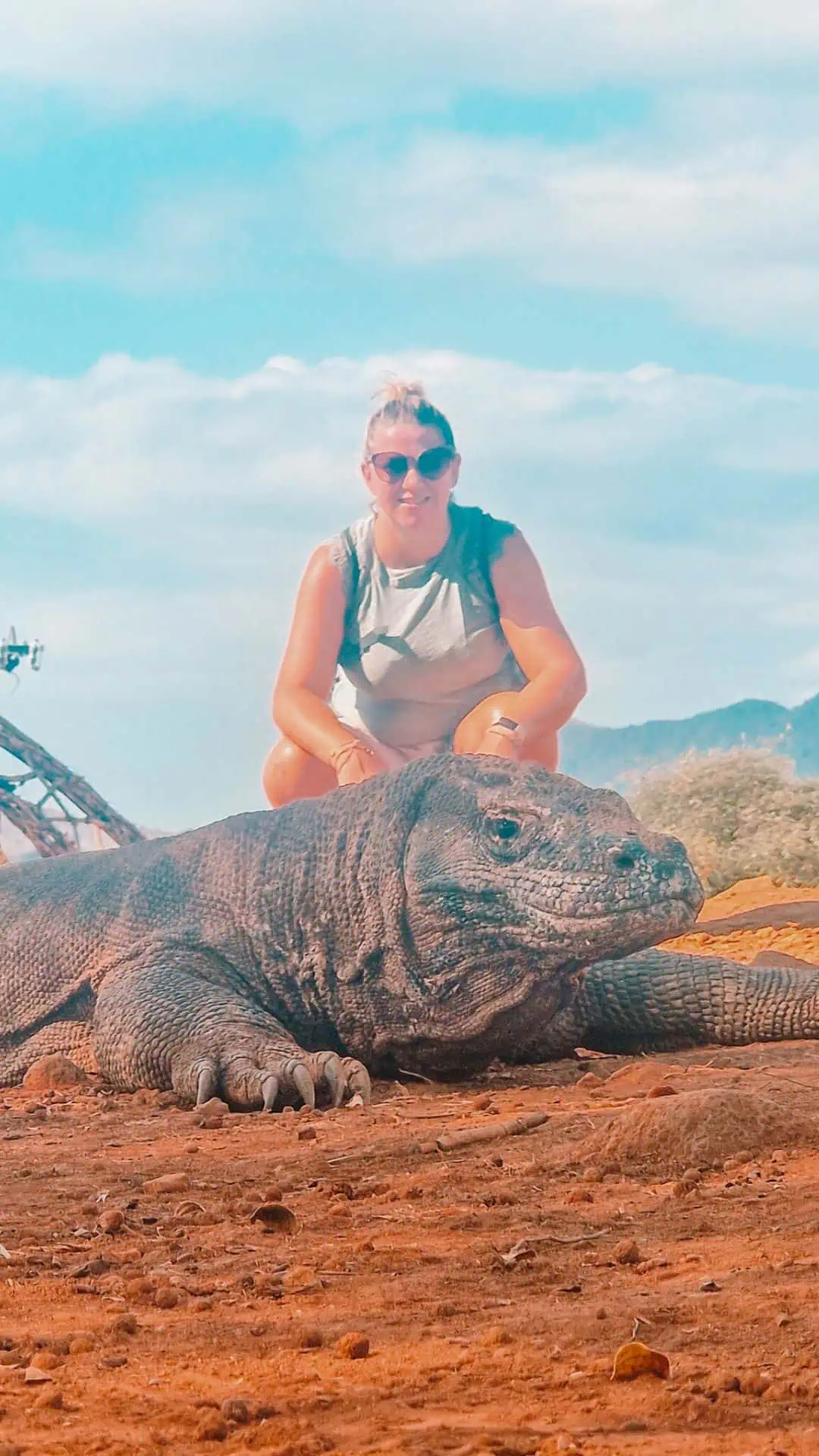
Since then, I’ve visited six other countries: Malaysia (including Borneo), Indonesia, Vietnam, Cambodia, Laos and Thailand. I’ve slept in a jungle treehouse only accessible by zipline, spent two weeks volunteering with sun bears in Borneo, peered into the crater of an active volcano and posed for a (guide-approved) selfie with one of the world’s most dangerous animals, the Komodo dragon.
I spent a month living in beautiful Chiang Mai and two in vibrant Da Nang, Vietnam, experiencing life like an (admittedly middle-class) local.
So I was pretty sure I’d acclimatised to whatever travel could throw at me whether it was tree rats (Laos), monkeys stealing my laundry tablets (Borneo), what I sincerely hope was a gecko in my bed at night, but was probably a rat (Thailand), and giant flying cockroaches (Vietnam).
And there were non-animal related culture shocks too: the lack of sidewalks making walking dangerous in most cities; the enduring impact of Agent Orange in Vietnam; learning to be a passenger princess on Grab bikes; making my peace with squat toilets.
And then I got to Nepal.
Smooth sailing on arrival in Kathmandu
Nepal isn’t in Southeast Asia, so I knew things would be different. I’d done my research and knew certain things – like road travel – would be different, and even somewhat dangerous. But I’d forgotten that, ultimately, no amount of research prepares you for culture shock.
Things began smoothly enough. The airport arrival was a bit chaotic, with shouting taxi drivers and disorganised baggage claim, but nothing new. My first hotel was amazing. A solid 3-star “treat” hotel, with friendly staff who gave me a warm welcome even at midnight.
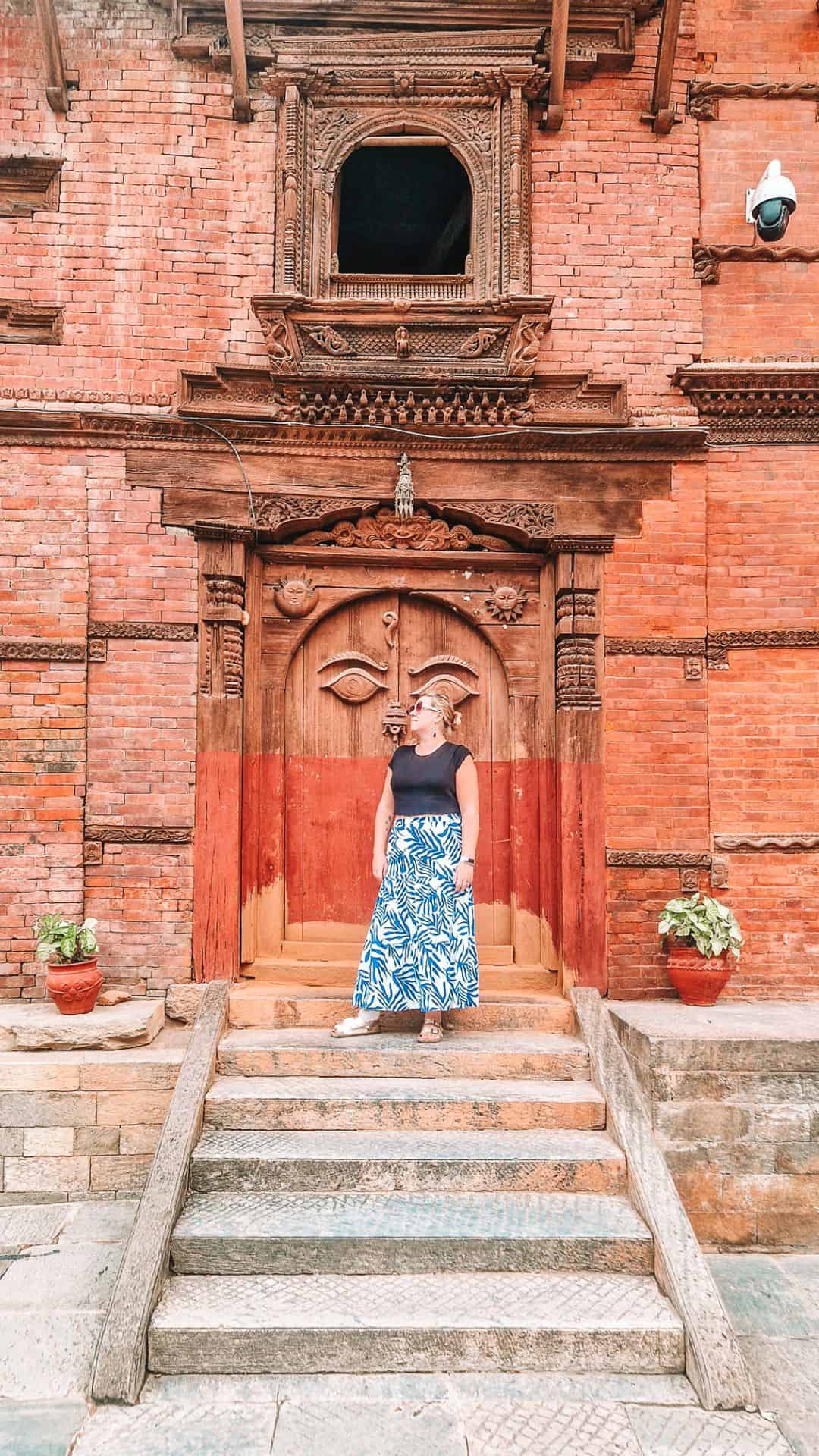
I liked Kathmandu more than I expected, as it has a reputation for being busy, crowded and polluted. There is so much history in Nepal’s capital – I visited Kathmandu’s Durbar Square, which was heavily damaged by the terrible earthquake back in 2015. The still-visible damage was an early indicator that Nepal wasn’t going to be on the same wavelength as rapidly-modernizing Southeast Asia.
But I engaged a great tour guide. When we met, he was reading The Handmaid’s Tale by Margaret Atwood, so I knew he’d be a good fit. Not only did we see all the sights, we ended up having coffee and a deep discussion about books.
Scratching below the surface: gender disparity
But beneath the history and hospitality, I started noticing deeper differences that challenged my perspective.
It wasn’t until I started trying to find laptop-friendly cafes that I noticed one of the biggest differences I found between Nepal and many Southeast Asian countries – the gender balance. I struggled to find cafes that weren’t male-dominated, and women weren’t nearly as visible as they are in Southeast Asia.
In Vietnam, I spent a lot of my time in cafes and coworking spaces founded by amazing female entrepreneurs. In the places I visited in Nepal, front-facing roles were mostly filled by men. I found NGOs across the country dedicated to empowering women economically, and Kathmandu is filled with shops selling cute felted bag charms, as this offers a home-based employment opportunity for women.
I later read an eye-opening non-fiction book that touched on how entrenched patriarchal structures are in Nepal – and while this was just my perspective, it stood out as a difference compared to many parts of Southeast Asia.
Transport can always be a culture shock – but in Nepal? Even more so
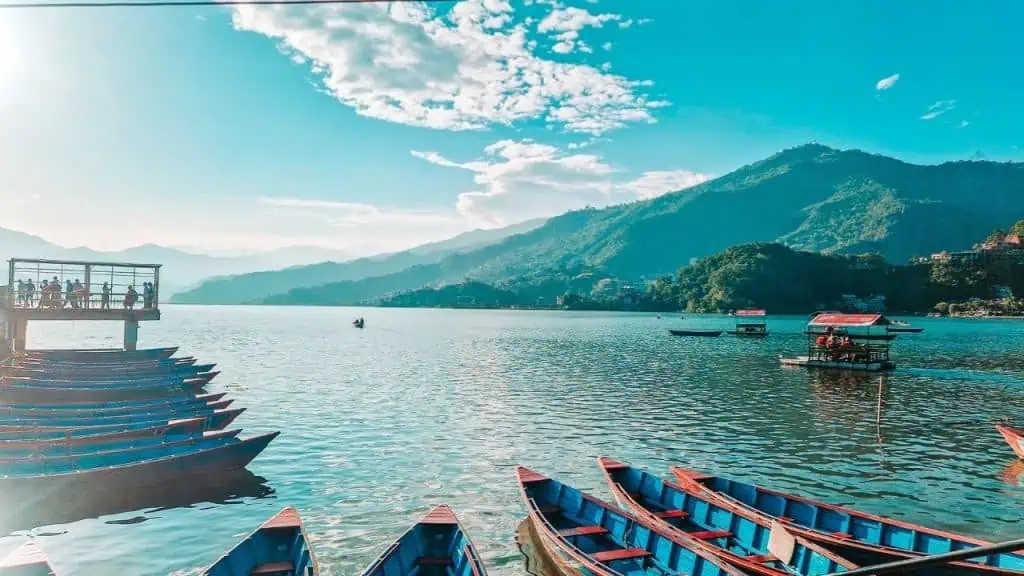
And then there was transport. Much of Southeast Asia has invested heavily in airports, and I often found new airports even in off the beaten track destinations like Sumatra or southern Laos.
Kathmandu’s domestic terminal felt like a time warp: manual destination boards, handwritten luggage tags, and staff wheeling bags away from the desks, hopefully headed to the right flight. But it all worked out as I got to sit next to a staff member on my tiny plane, who kindly pointed out different Himalayan mountains on our short journey.
The roads are another shock, even when compared to the notoriously terrible roads in Laos. My initial concern was that we’d go too fast and crash , but I soon realized that was the least of my worries. The roads were so bad we could barely get up any speed at all, rocking from side to side like a fairground ride. My bigger worry was not throwing up!
The bus journey from hell
My final bus journey was meant to take eight hours, but turned into fifteen after we got stuck just 5km from Kathmandu when the only westbound road into the capital was closed.
Between sudden lurches forward and stretches of numbing boredom, I ended up in a shouting match with the driver, just to secure a toilet break for the female passengers. Meanwhile, the male passengers were hopping off every few meters to pee on the side of the road.
As we finally made it through, the heavens opened and torrential rain poured from the sky, and we all nervously eyed the side of the roads where we could see endless ‘Beware: Landslides’ signs.
The deepest well of shock
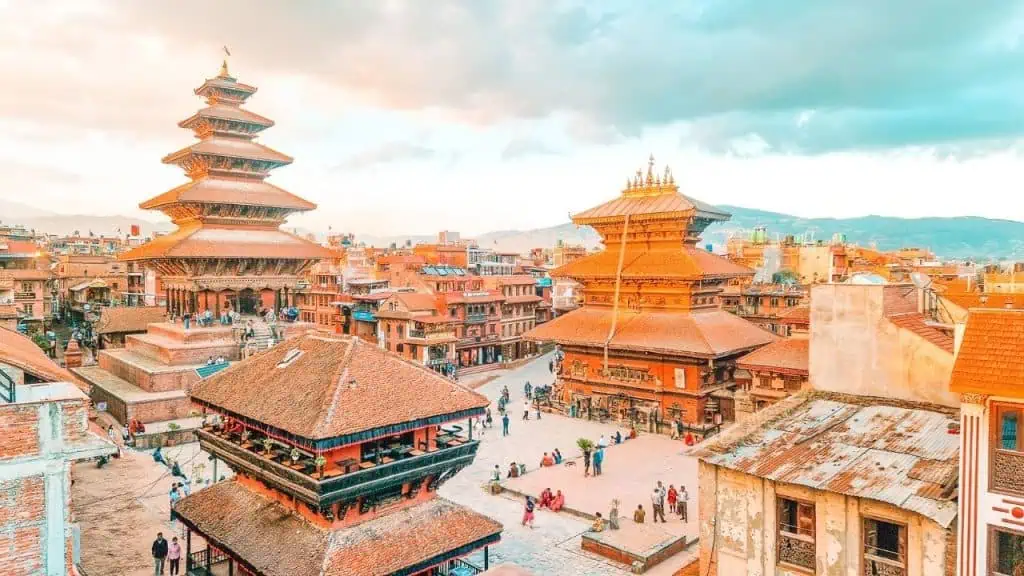
My biggest shock came in Bhaktapur, another UNESCO Heritage site in Kathmandu. This beautiful area is full of amazing history, but as I wandered around, eyes wide with awe, I realized that not only were there still many historic wells dotting the city, but women were visiting them regularly to draw water for necessities such as washing.
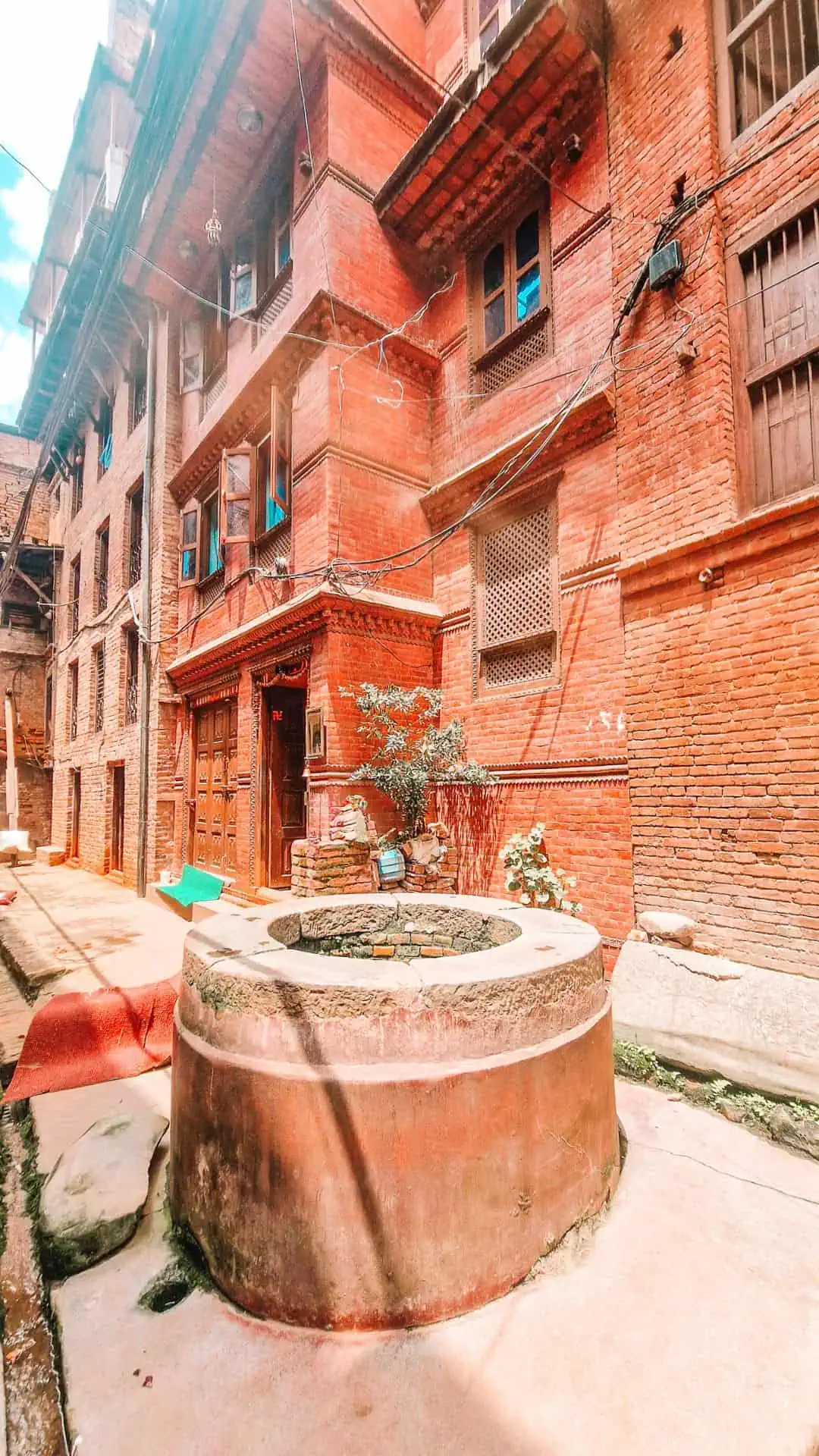
It was deeply surprising to witness how many families in central Kathmandu still rely on wells for basic needs, something I’ve seen in rural areas of Southeast Asia, but never in major cities. It gave me a powerful reminder of how uneven global access to infrastructure still is, even in capital cities.
Culture shock comes in positives, too
There were other, happier, experiences of culture shock as well. My guide in Bhaktapur took me to his tea shop for a cup of delicious Nepali tea and made some for all his neighbors at the same time, something you’d never see in Western cities.
There were bookshops everywhere, whereas in much of Southeast Asia, books are so expensive that they’re out of reach for many people.
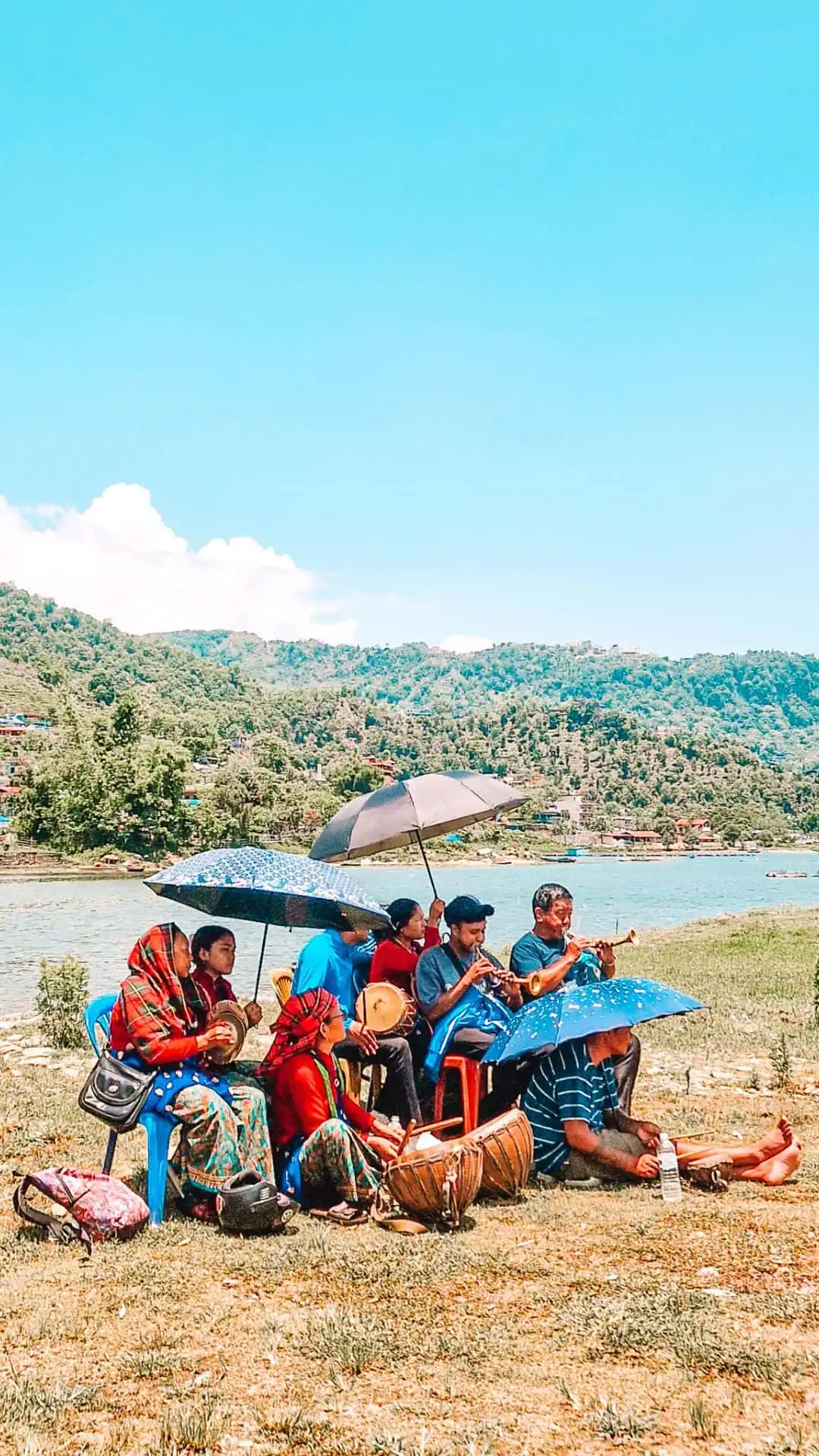
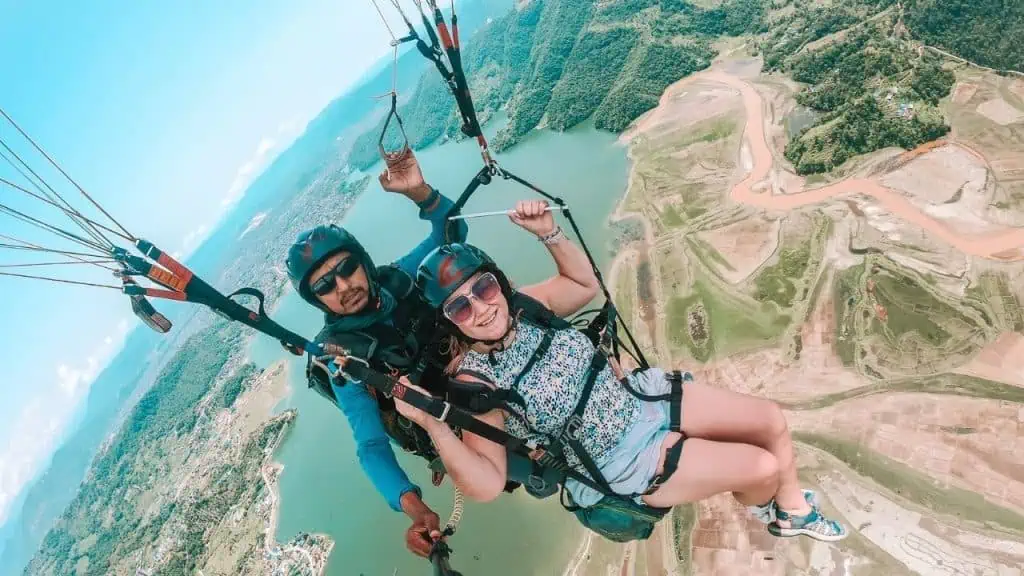
And when I went paragliding in beautiful Pokhara, we were greeted by a traditional local band on our descent, to celebrate the first time in years that particular spot had been used for paragliders.
The good and the bad: broadening my horizons
Why did I find this experience of culture shock so valuable? Southeast Asia is easy to navigate if you’re not a novice traveler. Countries like Thailand, Vietnam and Indonesia see such economic benefit from tourism that they have a significant interest in making travel as seamless as possible. After months of traveling, it’s easy to think you’ve seen it all.
Being in Nepal shocked me out of that mindset. It reminded me that there are so many glorious differences in the world, alongside the terrible ones like a lack of running water.
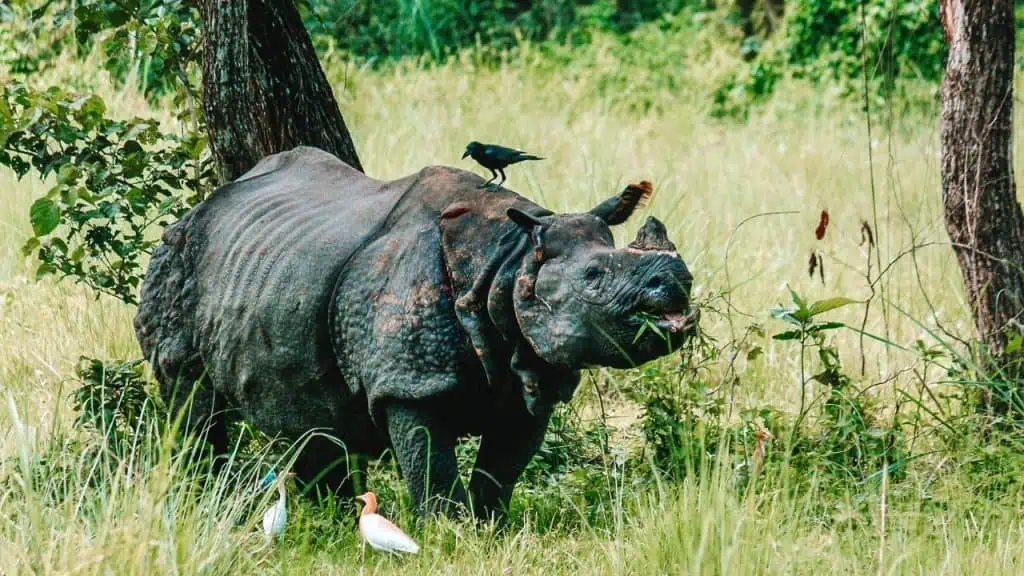
The bad culture shock, like the taxi driver in Kathmandu who fell asleep and nearly drove into oncoming traffic, goes alongside the amazing like seeing rhinos up close in Chitwan National Park, or paragliding over Pokhara Lake, and makes the overall experience so much richer.
After a year of tree rats, flying cockroaches, and being outwitted by monkeys, I thought I was unshockable. Then Nepal threw me a 15-hour bus ride, a dozing taxi driver, and women collecting water from wells in the middle of a capital city. Nepal reminded me that travel doesn’t just broaden your horizons—it humbles them.
As I head into my forties, that’s exactly what I’m after: not comfort, but challenge; not predictability, but discovery. There’s still so much left to see, and I’ll never stop traveling.

Em Gensen
Em is in her late 30s and has traveled solo since her early 20s. She's been to 48 countries (and counting) and has traveled around South East Asia for a year. She shares tips and tricks, destination guides, and what it's like to travel solo when you’re over 21, all on her blog, Em's Globetrotting Gems.