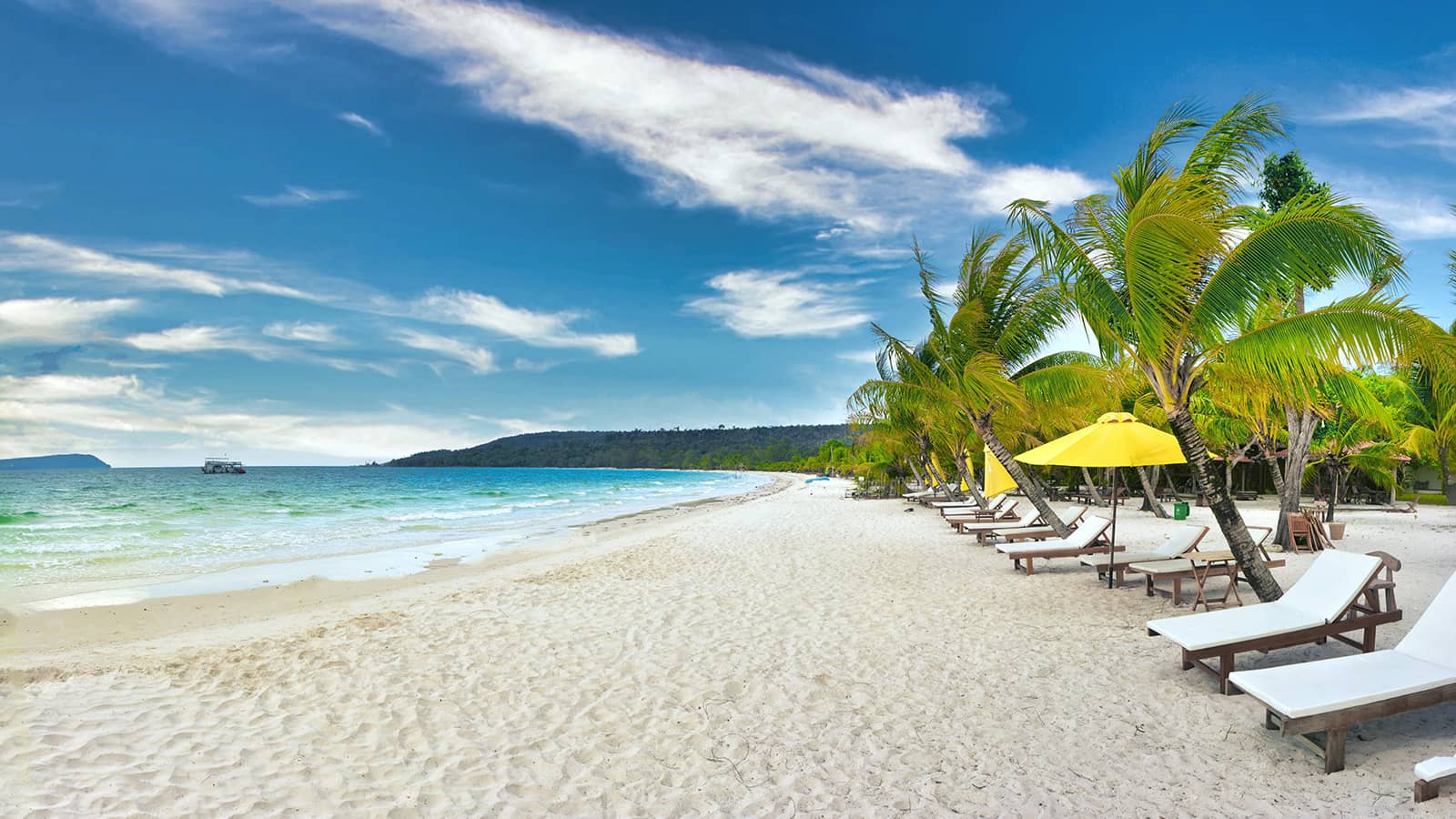
When most travelers think about Japan, they picture neon-lit cities like Tokyo, historic temples in Kyoto, or the street food scene in Osaka.
What many people may not realize is that Japan is also home to a chain of subtropical islands with sandy beaches, warm seas, and a culture entirely its own.
Stretching across the East China Sea, the islands of Okinawa Prefecture form a long arc between mainland Japan and Taiwan. The prefecture includes more than 160 islands surrounded by coral reefs that host around 200 coral species, and clear waters with visibility up to 30 meters.
Expedia ranked Okinawa the # 2 Destination of the Year for 2026, citing a 71% year-over-year surge in flight and accommodation searches, making it one of the fastest-growing travel destinations in Asia.
Japan’s Tropical Side
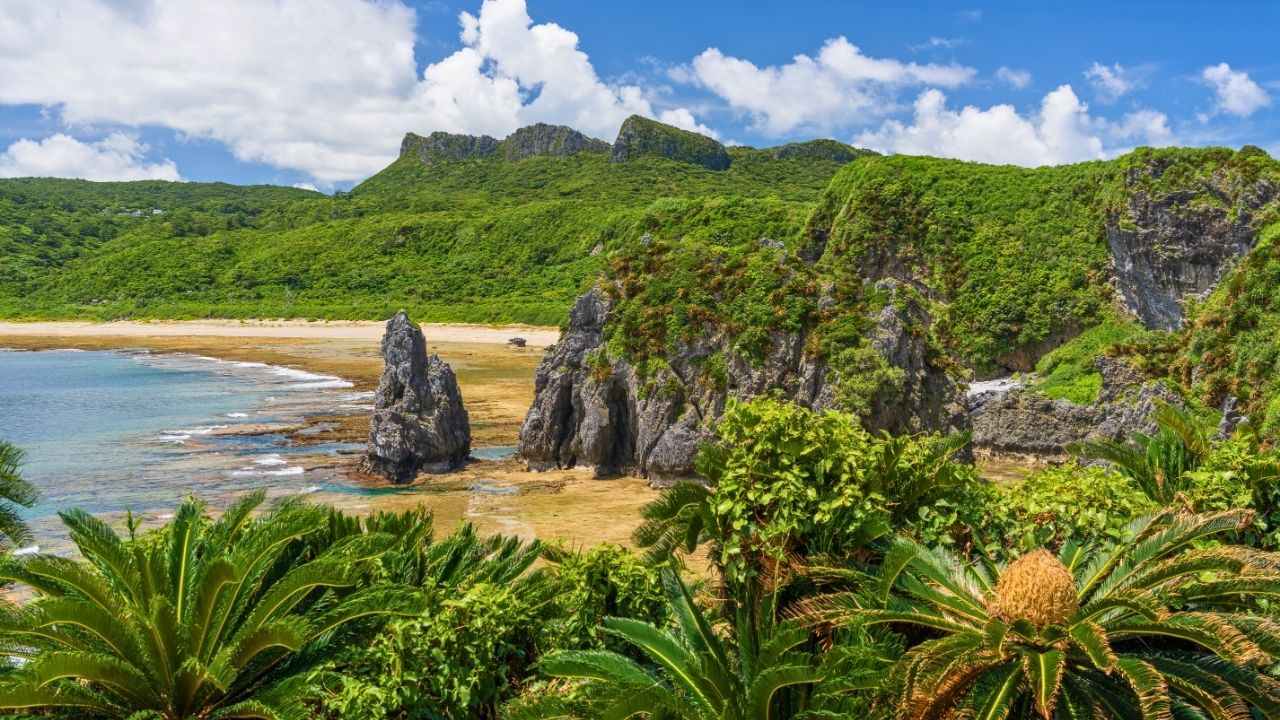
The Okinawa island chain lies far south of mainland Japan and is about a three-hour flight from Tokyo, with regular service from major Japanese cities. Because of this location, the region has a subtropical climate with warm temperatures much of the year and coastlines lined with coral reefs and palm trees.
Condé Nast Traveler notes, Okinawa’s beaches, coral reefs, and subtropical climate make the islands feel “more reminiscent of a place like Hawaii” than mainland Japan.
Like Hawaii, Okinawa is geographically separated from the mainland and has developed its own culture and history. For centuries, the islands formed the independent Ryukyu Kingdom before being incorporated into Japan in the late nineteenth century.
Beaches and Coral Reefs
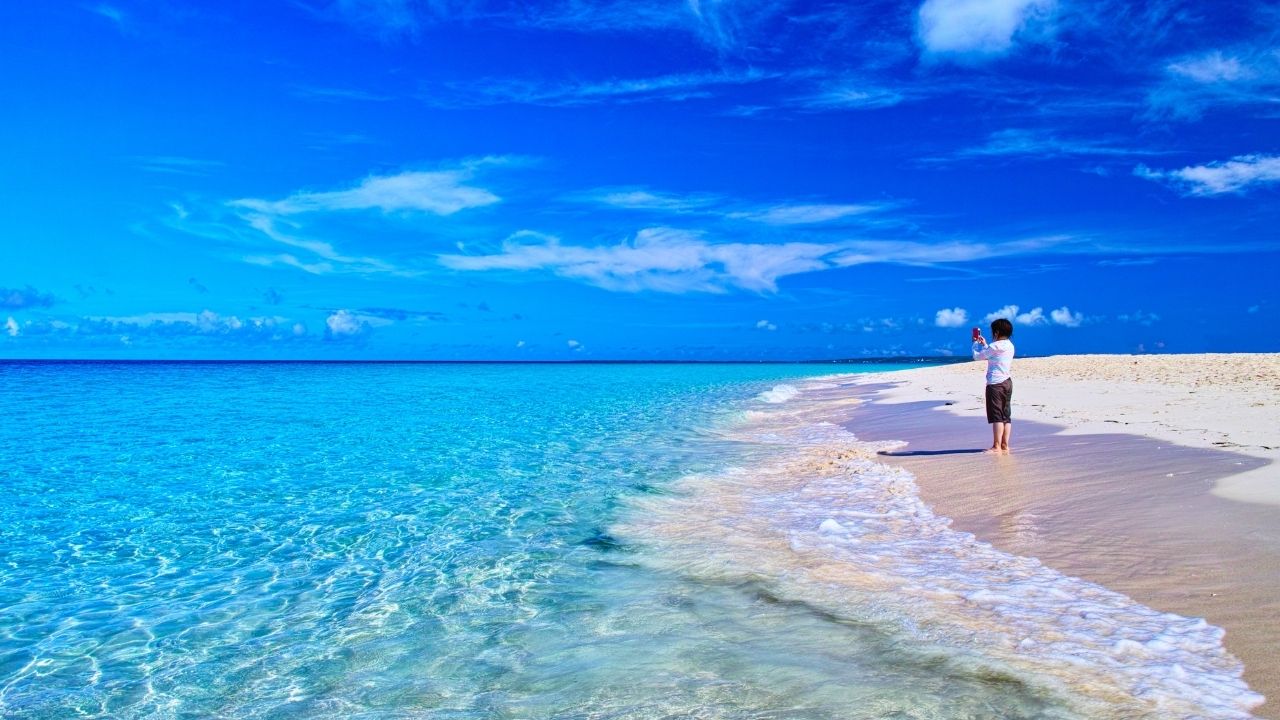
Some of Okinawa’s most impressive beaches are found on islands such as Ishigaki Island and Miyako Island, where shallow waters glow bright shades of blue and underwater visibility can extend dozens of feet.
Beaches like Yonaha Maehama Beach on Miyako Island are frequently ranked among the most beautiful in Japan because of their long stretches of white sand and calm water.
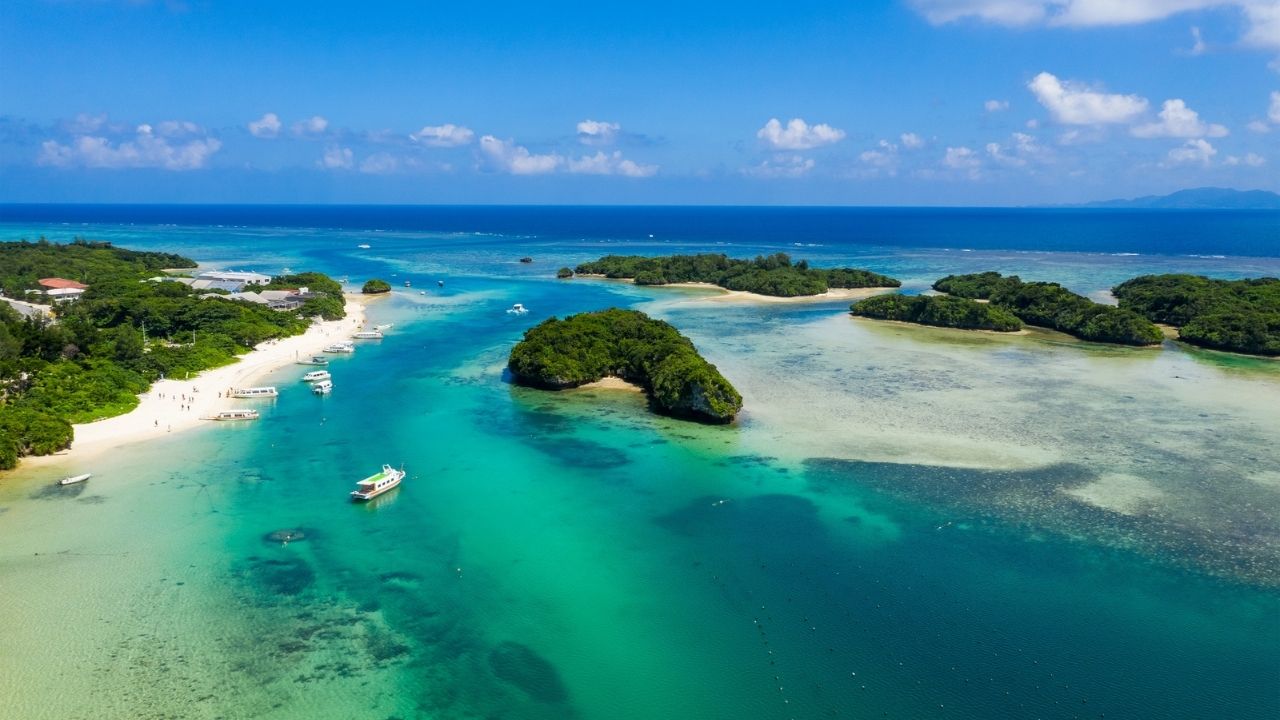
Another beautiful coastal landscape is Kabira Bay on Ishigaki Island, where vivid shades of blue water surround small forested islets scattered across the bay. The bay is protected for its coral ecosystem, so swimming is not permitted, but glass-bottom boat tours offer views of the scenery.
A Culture Unlike the Rest of Japan
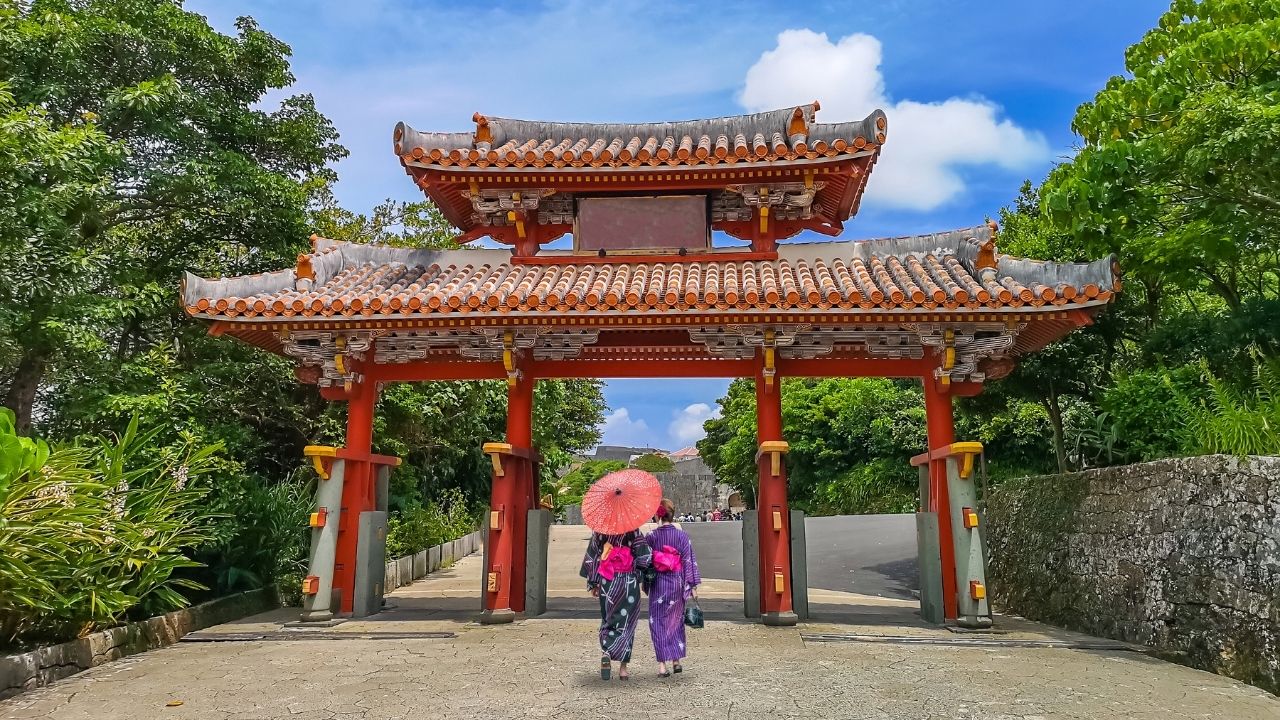
Okinawa’s culture also differs from mainland Japan. For centuries, the islands served as the center of the Ryukyu Kingdom, which prospered as a trading state linking Japan, China, and Southeast Asia.
These exchanges helped shape Okinawa’s distinct culture, influencing traditions such as cuisine, performing arts, and other cultural practices that developed during the kingdom era.
Many of those cultural traditions remain visible today.
Visitors may encounter traditional Okinawan music played on the sanshin, a three-string instrument central to local folk songs, as well as colorful textiles and distinctive red-tiled roof architecture often seen on historic buildings.
Local cuisine also reflects the islands’ history, with Japanese, Chinese, and Southeast Asian influences. A popular dish is goya champuru, a stir-fry of bitter melon, tofu, and pork whose name means ‘mixed’ in the local dialect, a fitting description for Okinawan cooking as a whole.
That heritage gives Okinawa a cultural identity that feels noticeably different from mainland Japan, and many who visit say the islands have a slower, more relaxed pace of life than Japan’s largest cities.
Some of Japan’s Best Diving and Snorkeling
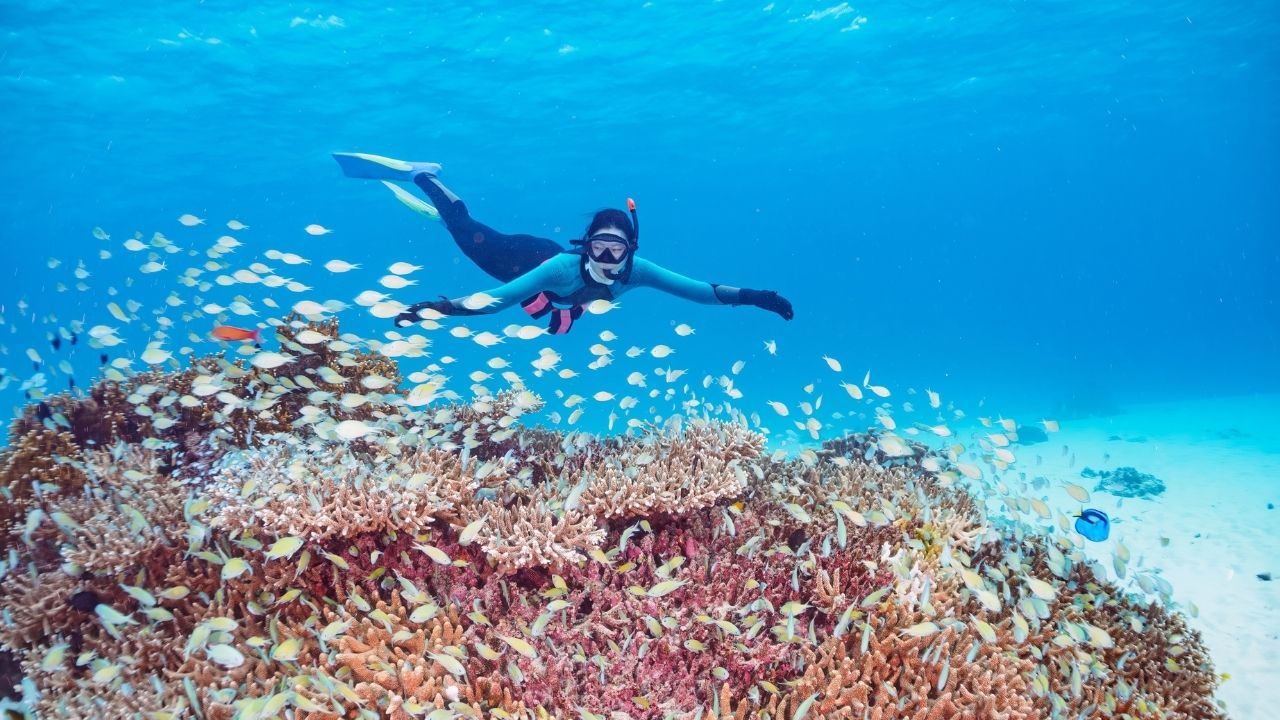
The waters around Okinawa are among Japan’s best for snorkeling and diving thanks to extensive coral reefs and marine biodiversity. Divers regularly encounter sea turtles, manta rays, and tropical reef fish.
The nearby Kerama Islands are particularly famous for the vivid color of the water, sometimes referred to locally as “Kerama Blue.” Beaches in the region are regularly recognized in international rankings.
Okinawa’s beaches have gained increasing international attention in recent years. In 2024, Aharen Beach ranked 13th in the “World’s 50 Best Beaches” list, highlighting the region’s clear water and coral reef coastline.
What It’s Like to Visit Okinawa
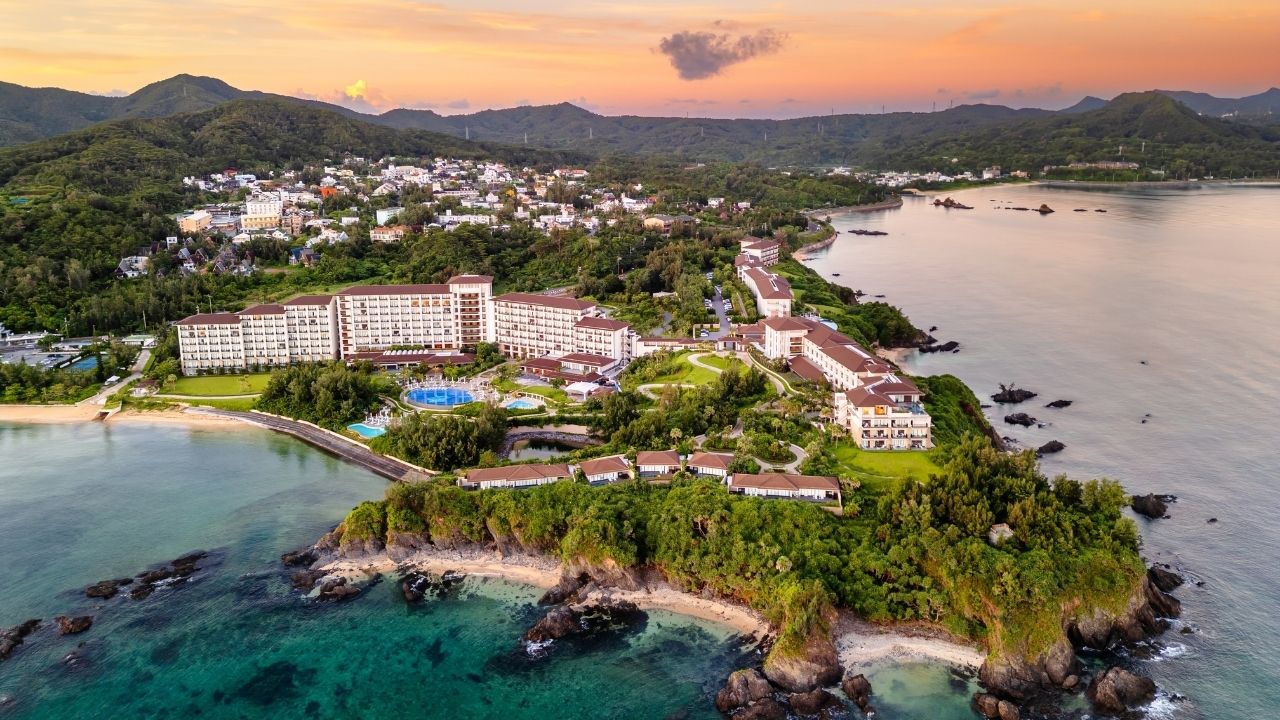
Okinawa offers relaxed beach towns, small islands, and full-service resort areas. The main island is well-developed with hotels and restaurants, and is easily accessible from the capital city of Naha.
Along the coast, you can stay in everything from small guesthouses to luxury beachfront resorts with spas, restaurants, and private beaches. Resorts such as Halekulani Okinawa and Renaissance Okinawa Resort offer ocean-view rooms, multiple restaurants, and activities such as snorkeling, dolphin-watching, and cultural performances.
Along with high-end resorts, the islands also have many smaller beach hotels and family-friendly accommodations, giving visitors a range of options from luxury stays to simple seaside lodgings.
A Different Side of Japan
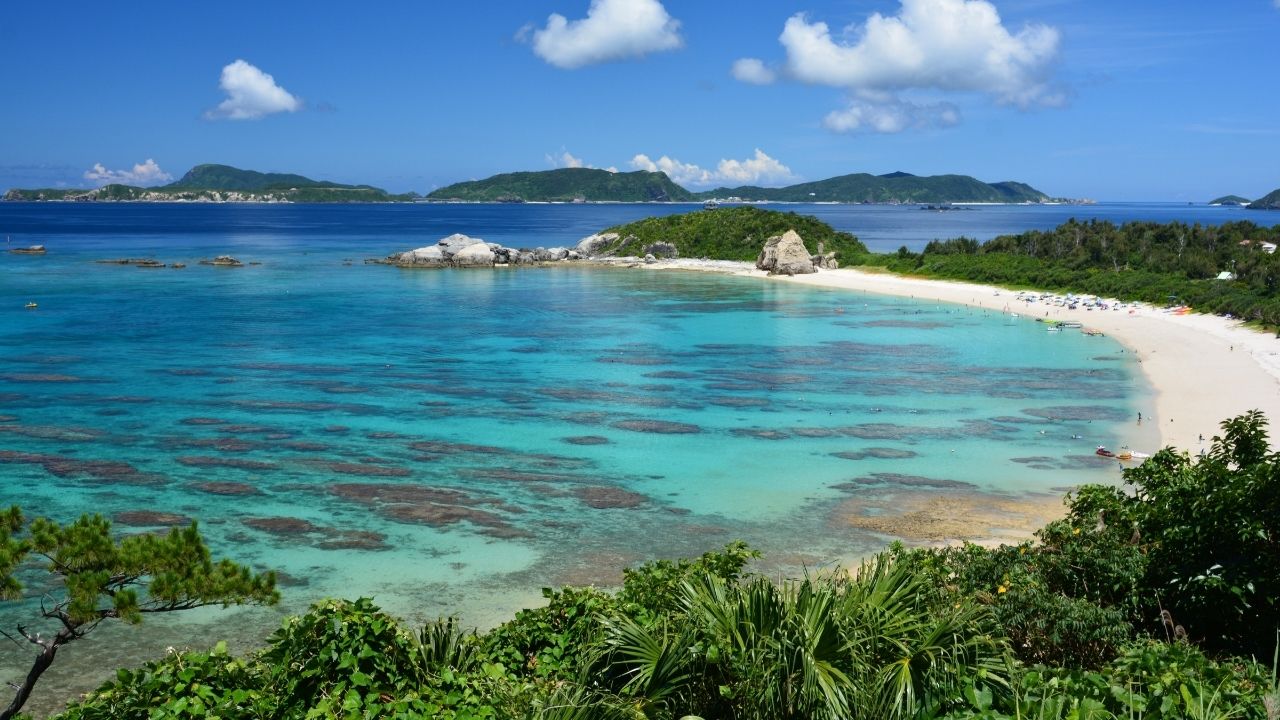
Despite its scenery, Okinawa remains less visited than Japan’s famous cities. International tourism in Japan still concentrates heavily in places like Tokyo, Kyoto, and Osaka, leaving many of Okinawa’s beaches relatively uncrowded.
For many visitors, Okinawa is less a side trip than a revelation. It’s a reminder that Japan has more to discover than most travelers expect.

Alexandrea Sumuel Groves is a Travel Journalist, Yahoo! Creator, MSN Partner, a member of both the Society of Professional Journalists and North American Travel Journalists Association, and the founder of Wander Worthy. She covers vacation destinations, travel news, and tourism trends.