Europe does not have to mean crowded squares or long lines at famous landmarks. While overtourism has become a concern in many destinations, the continent is also home to cities that remain overlooked. These places offer culture, history, and atmosphere without the stress of heavy crowds.
Each city on this list is compact enough for a weekend visit, easy to reach by train or plane, and less crowded than Europe’s busiest destinations. Together, they offer a mix of Western, Central, and Eastern Europe, all highlighted in recent travel reports as underrated gems. Here are ten cities that stand out.
Ljubljana, Slovenia
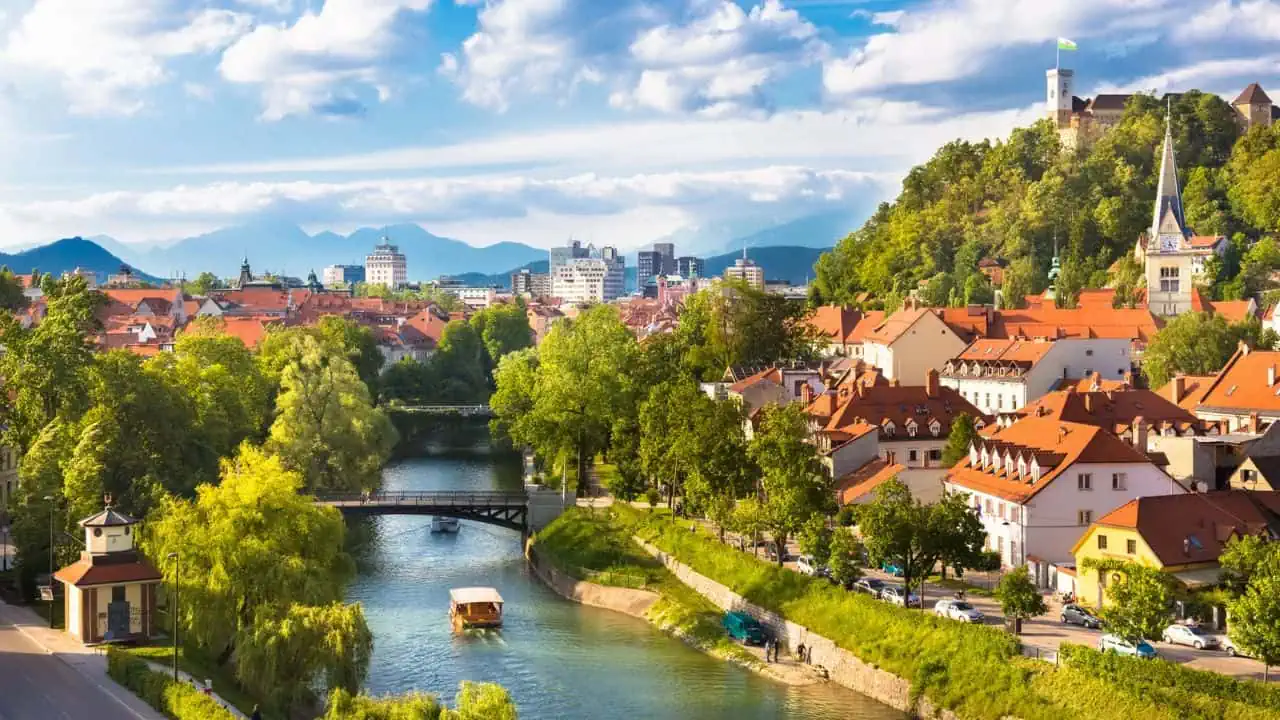
Ljubljana is Slovenia’s capital, known for baroque facades, riverside cafés, and a relaxed pace of life. The Old Town stretches beneath a hilltop castle, with a dragon‑adorned bridge adding a distinctive touch.
Compact and walkable, the city can be explored in a weekend and offers culture without the crowds found in larger European destinations.
Tallinn, Estonia
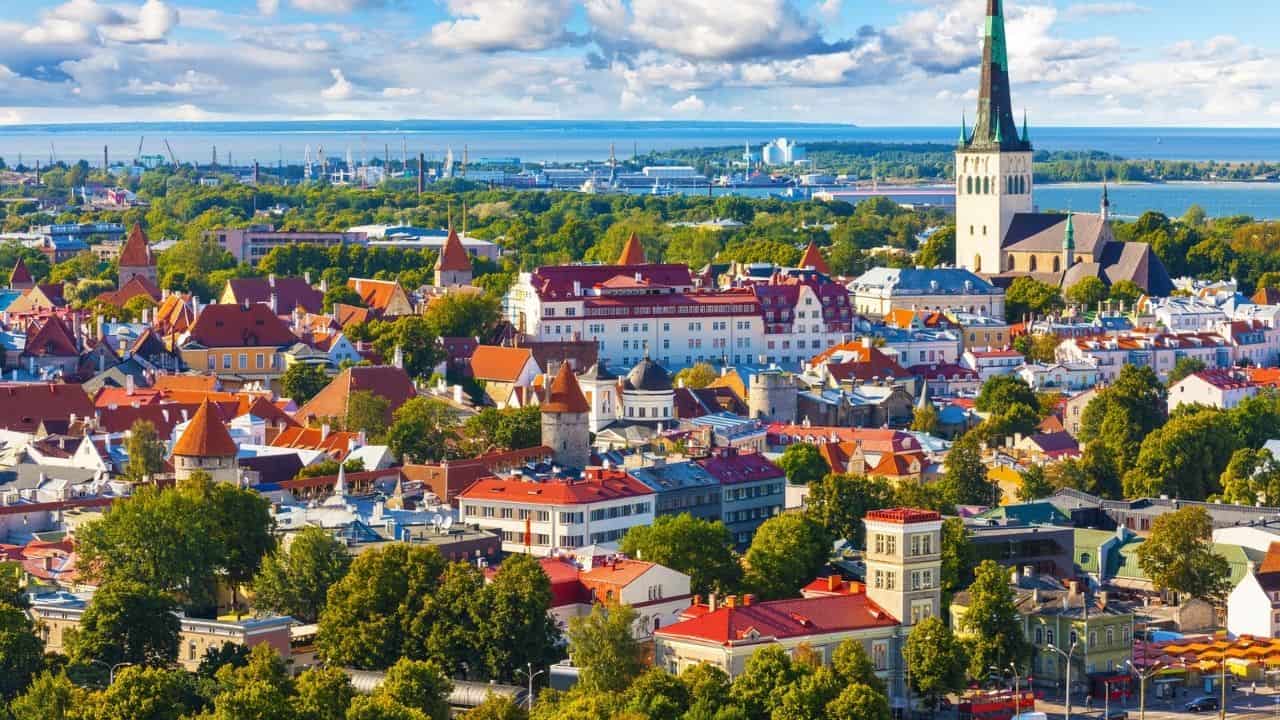
Tallinn’s medieval Old Town is a UNESCO World Heritage Site with cobbled lanes, stone towers, and centuries of history. The center is small enough to cross on foot, yet varied enough to fill a weekend with markets, museums, and cafés.
These days, travelers prize Tallinn for its atmosphere, which feels calmer than Europe’s busiest capitals.
Nantes, France
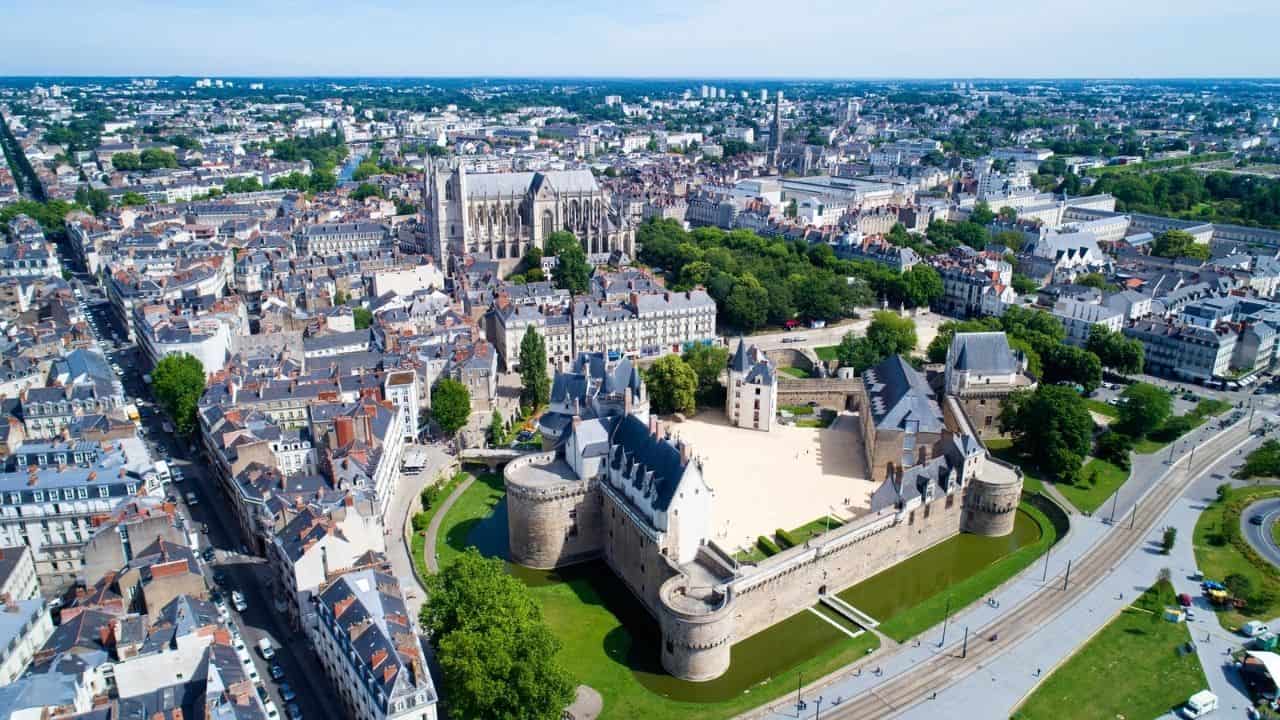
Nantes sits on the Loire River and has a history shaped by its restored château. The city is also playful, thanks to the Machines of the Isle, where giant mechanical creatures wander the docks.
Add in riverfront cafés and bold public art, and you get a destination that feels creative and approachable, yet only a short train ride from Paris.
Ghent, Belgium
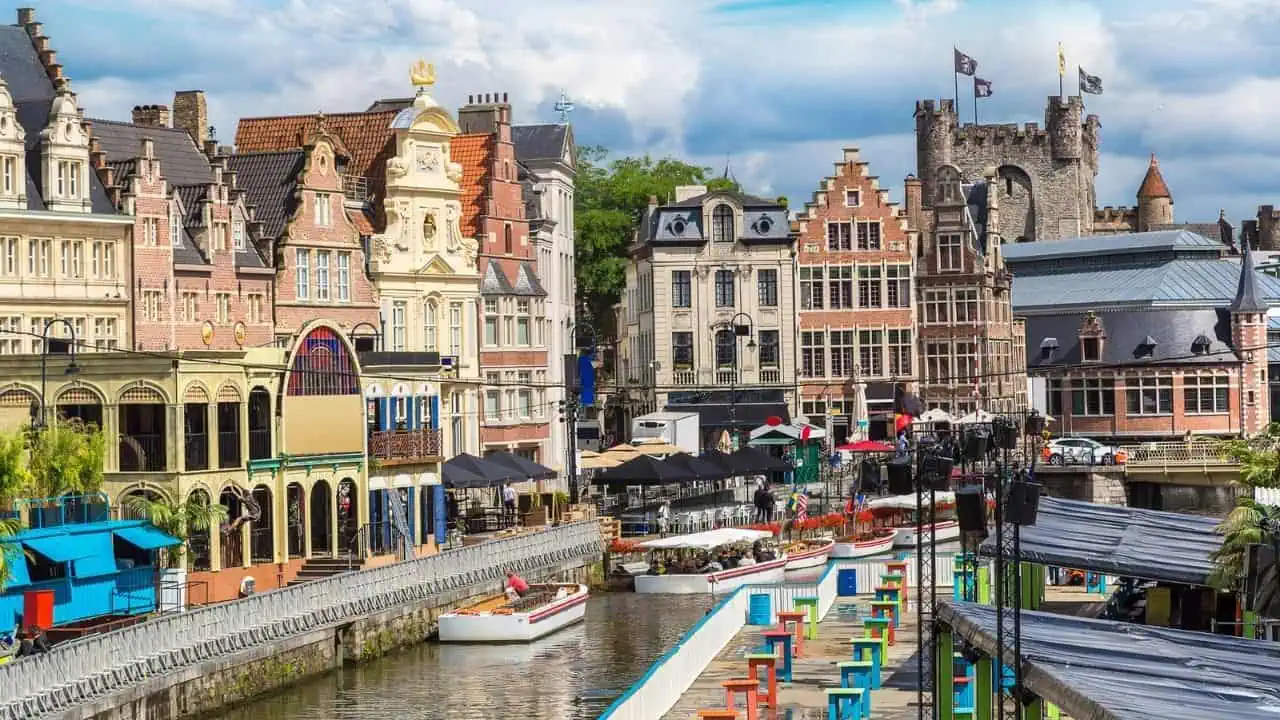
At first glance, Blegium’s Ghent looks medieval with canals, guild houses, and towers framing the center. Spend a little time here, and the mood shifts as students, street art, and festivals give the city a modern edge.
Travelers say it feels more relaxed than Brussels or Bruges, with culture and nightlife packed into a walkable area.
Brno, Czech Republic
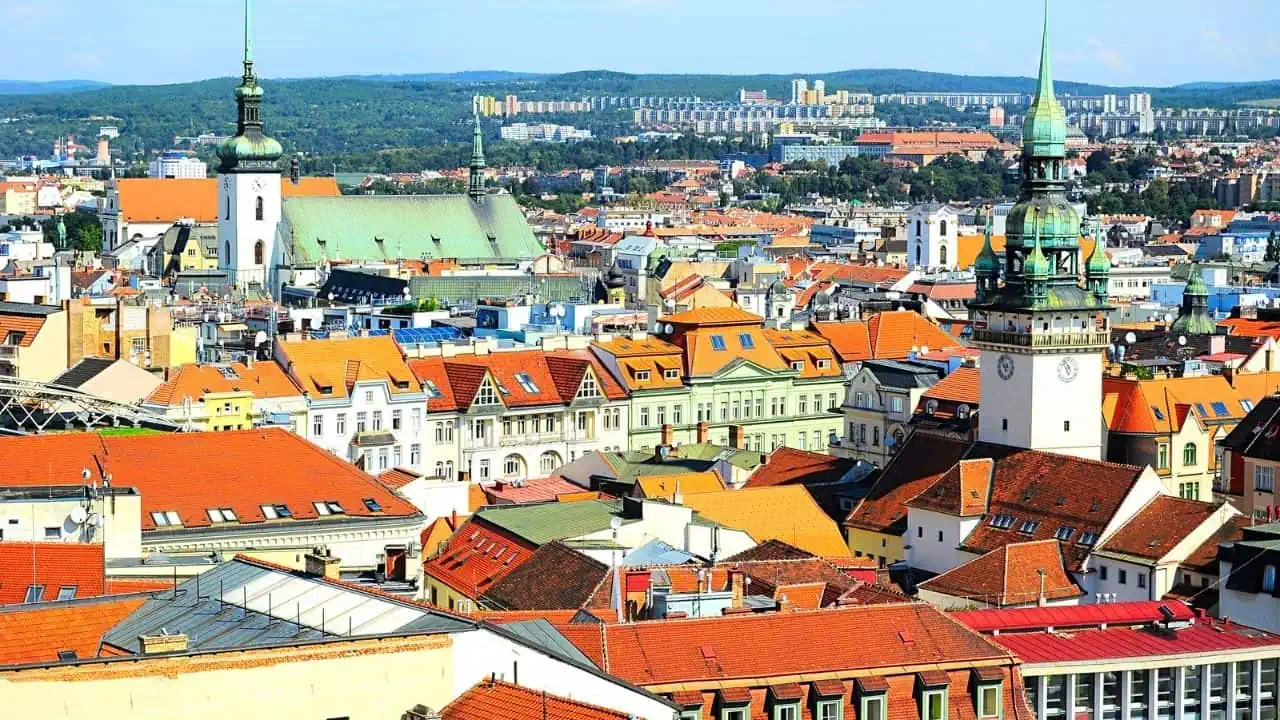
Brno’s skyline reveals its history, with Špilberk Castle and a neo-Gothic cathedral standing tall. The streets feel different with cafés, galleries, and students.
Visitors often describe the city as approachable, lively, and easier to enjoy than Prague because the crowds don’t press in.
Kotor, Montenegro
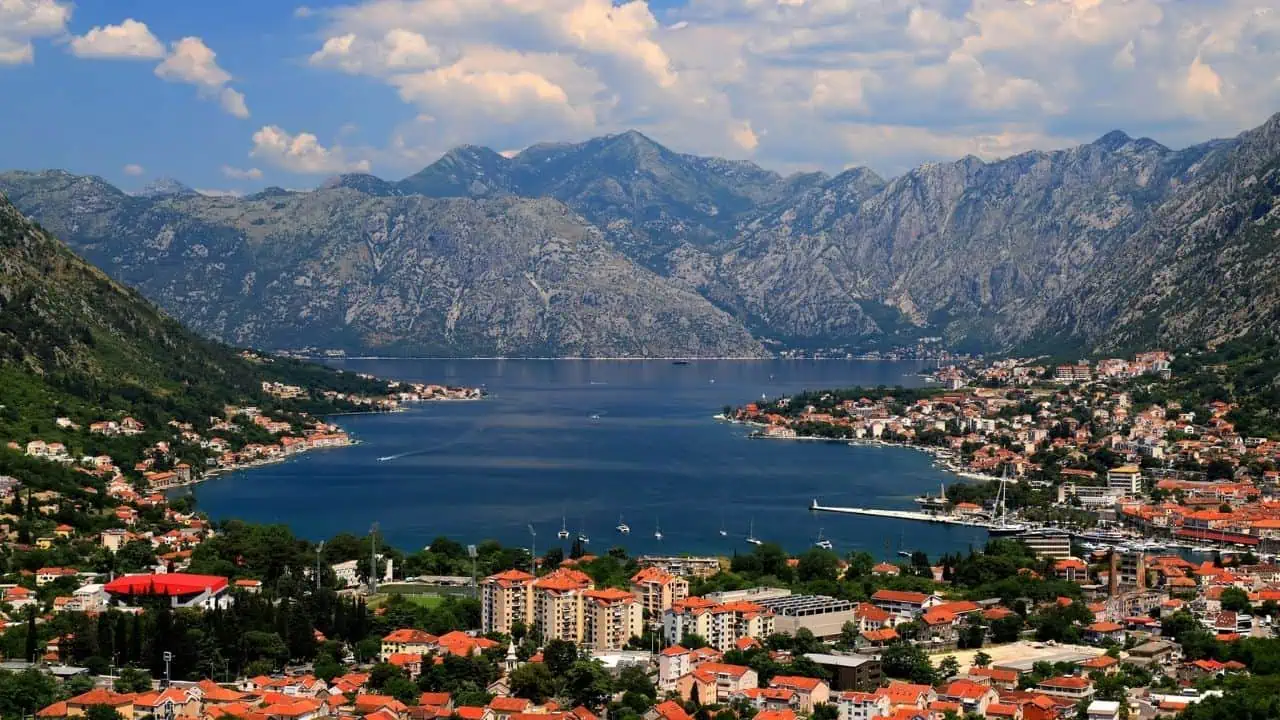
Picture a city on a bay backed by soaring mountains behind medieval walls. Fortress steps yield stunning views from above. Twisting lanes lead through the old town, spilling out onto small squares with churches, stone houses, and cafés.
Many of these are tucked into quiet corners. Kotor, Montenegro somehow manages to feel both dramatic and calm at the same time.
Matera, Italy
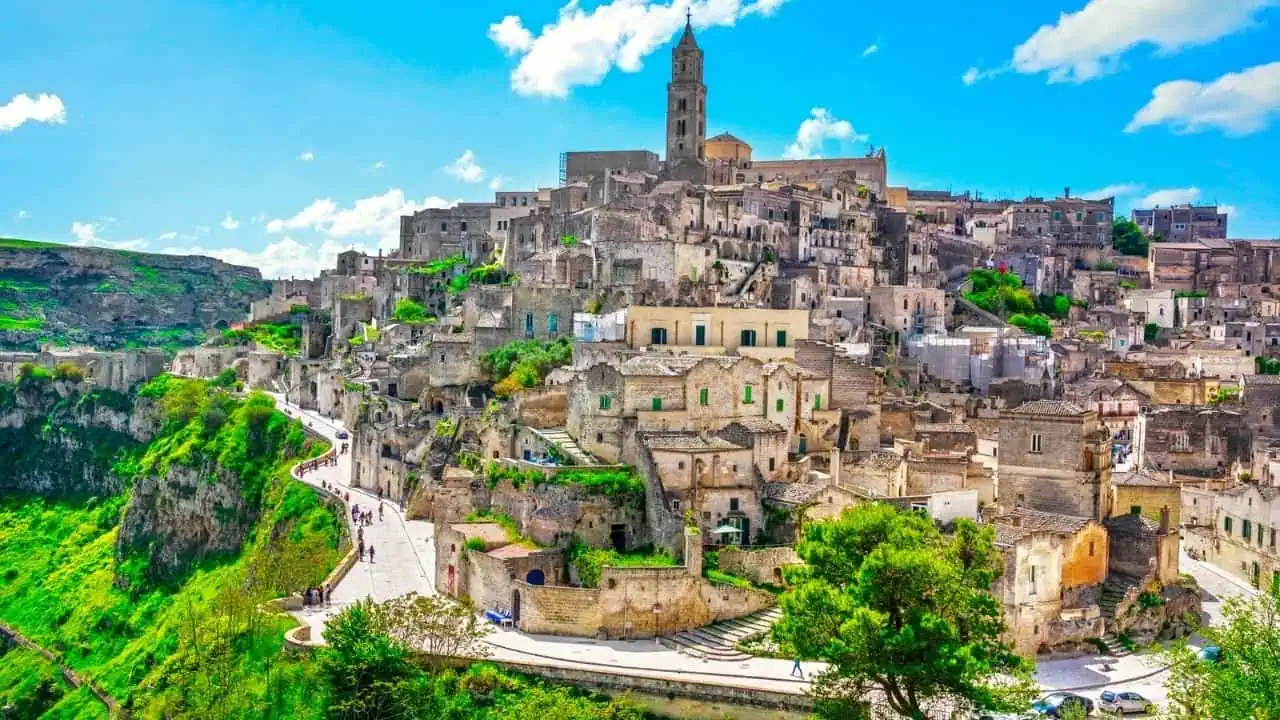
Southern Italy’s Matera rises from stone, its historic Sassi districts climbing the hillside with cave dwellings carved into limestone. Paths twist past houses and rock‑hewn churches, leading to terraces that overlook the ravine.
Take in the views, then wander alleys where history feels up close and personal. Cafés and small shops fill many of the old spaces, making the city feel timeless yet alive.
Porto, Portugal
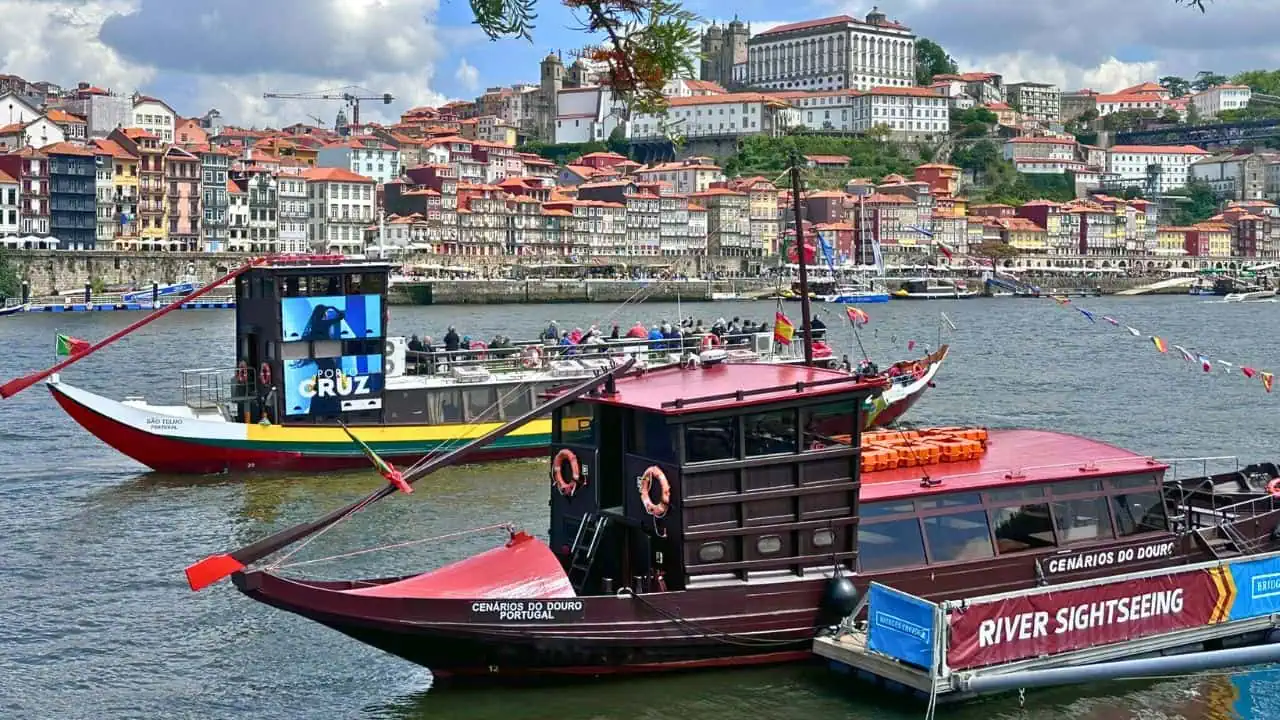
Porto sits on the Douro River. Colorful houses rise above the water, stacked in uneven rows. The Ribeira is busy, with lanes twisting into squares full of cafés.
Across the river, cellars keep the port wine that made the city famous. Bridges give wide views, and the mix of energy and calm stays with you.
Vilnius, Lithuania
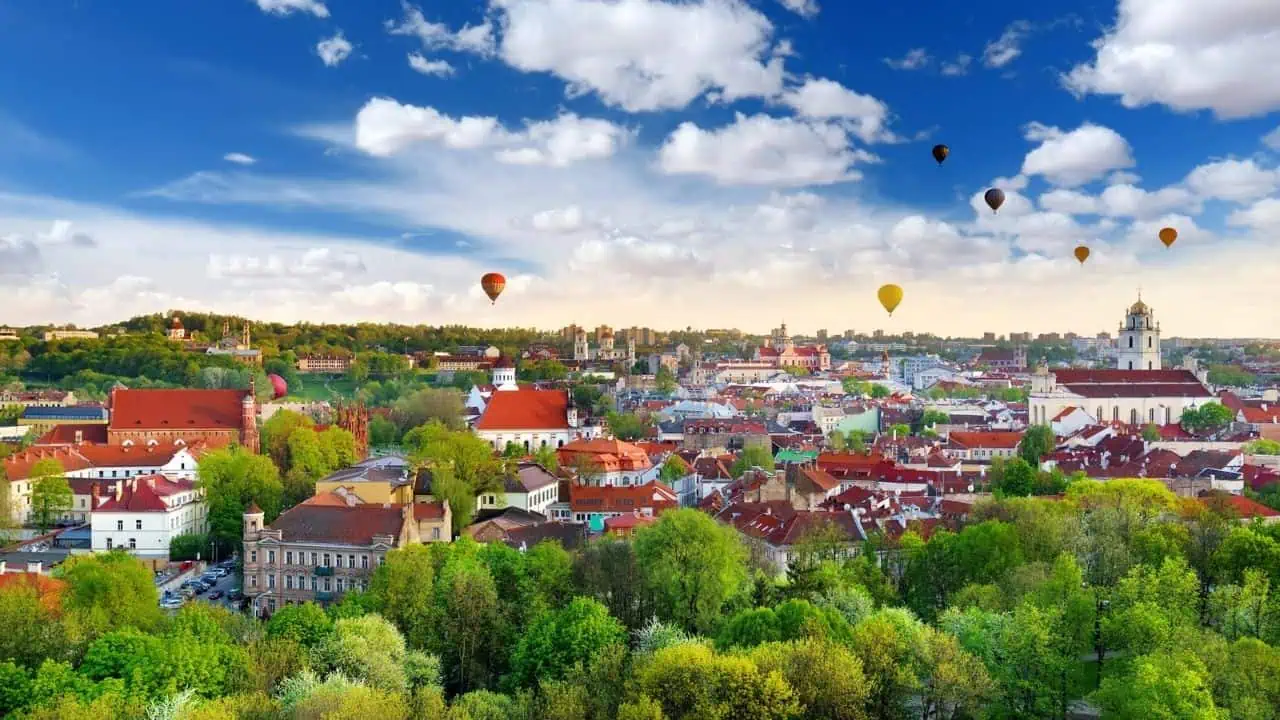
Vilnius is Lithuania’s capital, set where the Neris River bends. The Old Town is baroque, full of churches and narrow streets.
Gediminas Tower stands above, a reminder of the city’s long history. Markets, cafés, and courtyards give it a lived‑in feel. It’s a place of contrasts, old and new side by side.
Sarajevo, Bosnia & Herzegovina
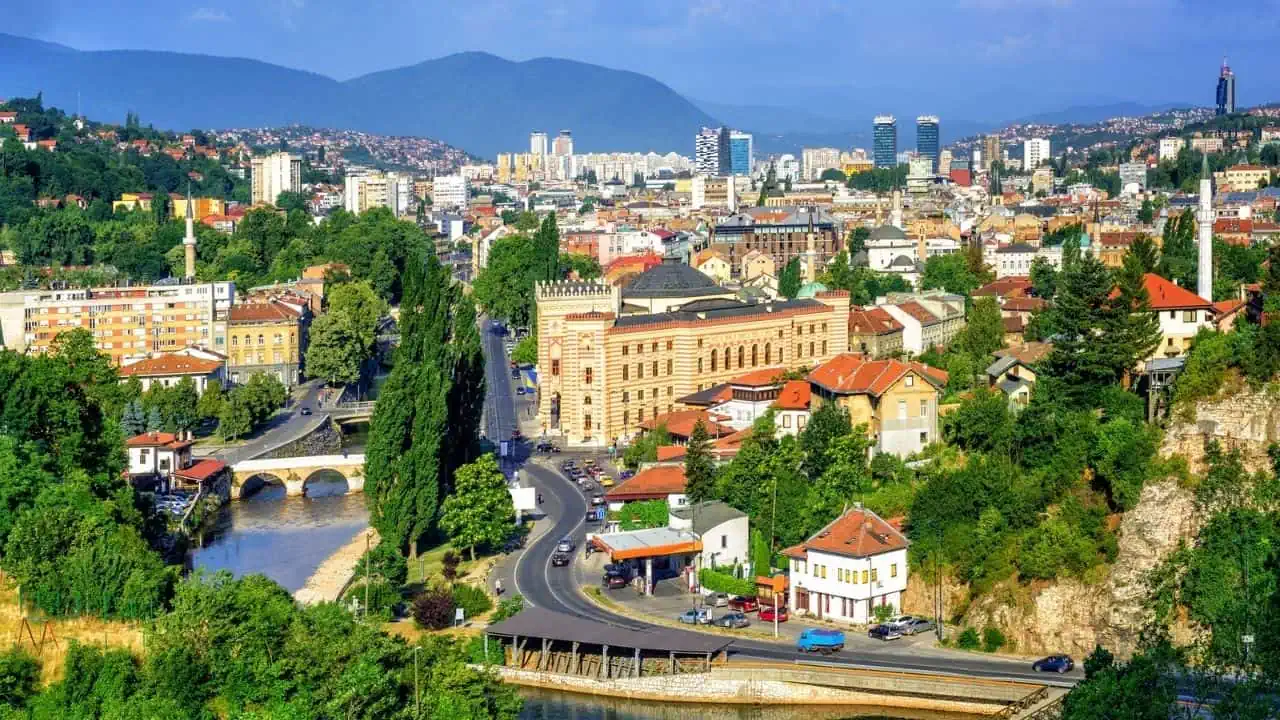
Sarajevo sits in a valley surrounded by mountains. The old bazaar, Baščaršija, is full of narrow lanes and shops. Ottoman mosques stand near Austro‑Hungarian buildings, a mix that defines the city’s look.
Street cafés spill into squares, and the pace feels unhurried. History is present, but daily life carries on around it.