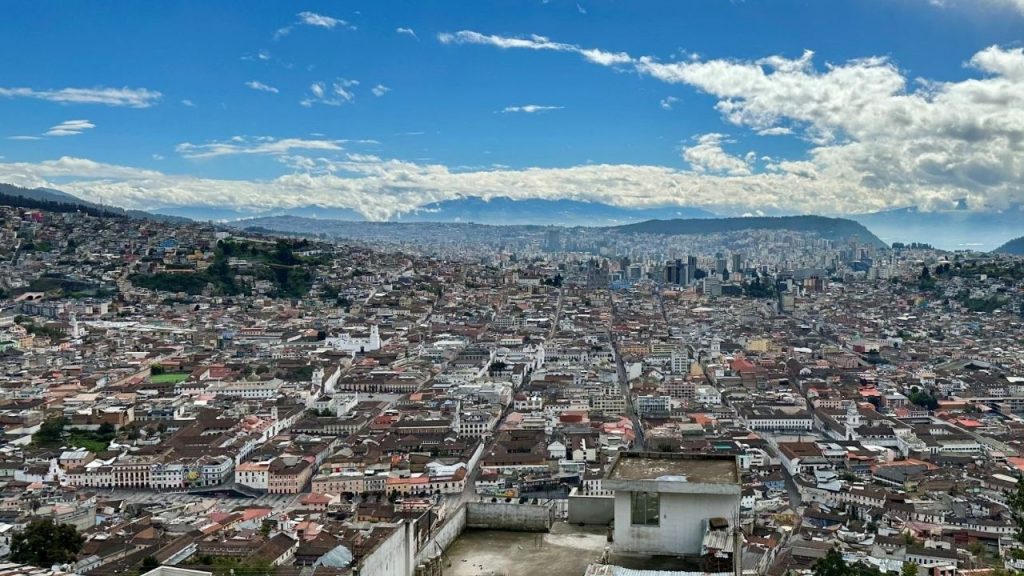
Perched high in the Andes at 9,350 feet above sea level, Quito is a city of striking contrasts. It has colonial charm and modern energy, ancient Indigenous traditions and forward-looking innovation in addition to misty mountain views and vibrant street life.
As Ecuador’s capital and the first city in the world declared a UNESCO World Heritage Site, Quito offers travelers a fascinating experience full of history, culture, outdoor adventures, and delicious Andean cuisine.
Quito is one of South America’s most rewarding destinations. You can explore the cobblestone alleys of Old Town, ride a cable car into the clouds, learn about the equator, sample empanadas at a local bakery, or taste amazing chocolate and coffee all in the same day!
This guide covers everything you need to plan your trip, including the best and worst times to visit, how to get around, top attractions, food you shouldn’t miss, and easy day trips.
Best Time to Visit Quito
Because of its location on the equator, Quito doesn’t have four traditional seasons. Instead, it experiences a “dry season” and “wet season,” though temperatures remain fairly mild year-round. Here’s what Quito’s weather is typically like.
Dry Season (Best Time): June–September
This is considered the best time to visit Quito for clearer skies, less rainfall, comfortable daytime temperatures (65–70°F), and for outdoor activities, walking tours, and day trips.
July and August are lovely, though also the busiest months for international tourism.
Shoulder Seasons: April–May & October–November
These months offer a nice balance of fewer crowds and mostly pleasant weather. Expect occasional rain showers in the late afternoon, but also bright, warm days.
Wet Season (Worst Time): December–March
“Worst” is relative, because Quito is still very visitable. However: rain is frequent and sometimes heavy, cloud cover limits Andean views, and landslides occasionally disrupt road travel.
If you visit during these months, schedule indoor activities earlier in the day, as storms roll in around 3–5 p.m.
Logistics: How to Get to and Around Quito
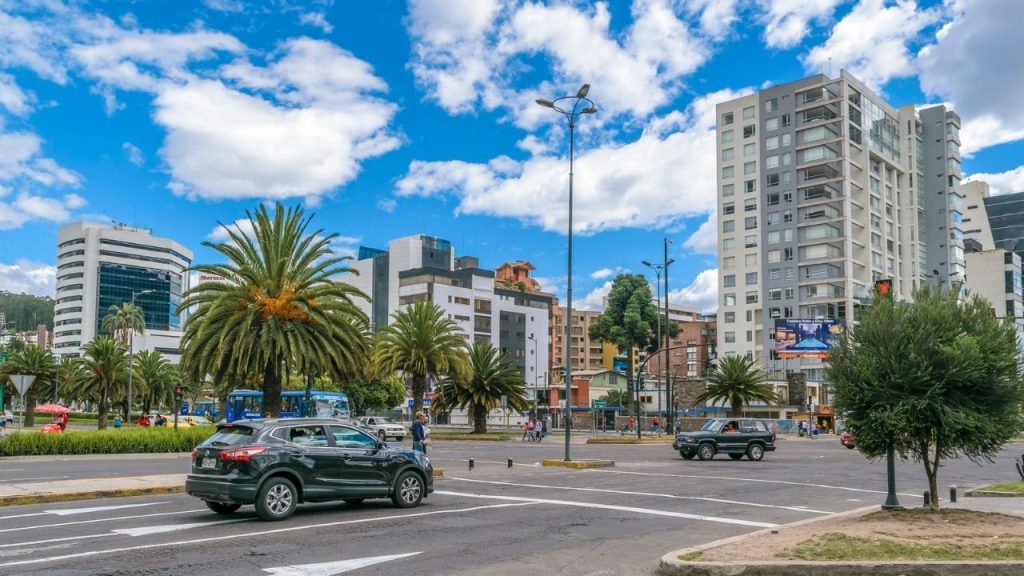
Quito is served by Mariscal Sucre International Airport (UIO), located 45–60 minutes from the city center, depending on traffic.
Direct flights arrive from major U.S. hubs including Miami, Houston, Atlanta, and New York, as well as from Lima, Bogotá, Panamá City, and Madrid.
Getting From the Airport to the City
You have several reliable transfer options:
- Official Airport Taxi: Fixed rates, safe, and available 24/7
- Private Transfers: Many hotels will arrange transfers
- Aeroservicios Express Bus: Runs to Quito’s historic center
- Rideshare (Uber, Cabify): Widely used in Quito and generally trustworthy
Getting Around the City
Quito is sprawling, but transportation is easy:
- Walking: Old Town is best explored on foot
- Taxis and Uber: Affordable and plentiful
- Quito Metro: Newly opened and efficient
- Trolebús & Ecovía buses: Useful for budget travelers
- Teleférico cable car: A famous attraction, but also a way to reach hiking trails
Altitude Tips
At 9,350 feet, altitude sickness can affect visitors. To avoid issues:
- Take it slow on your first day
- Drink plenty of water
- Avoid alcohol for the first 12–24 hours
- Rest if you feel light-headed
If you’re heading to even higher elevations, such as Cotopaxi National Park, you may need more time to acclimatize.
Where to Stay in Quito
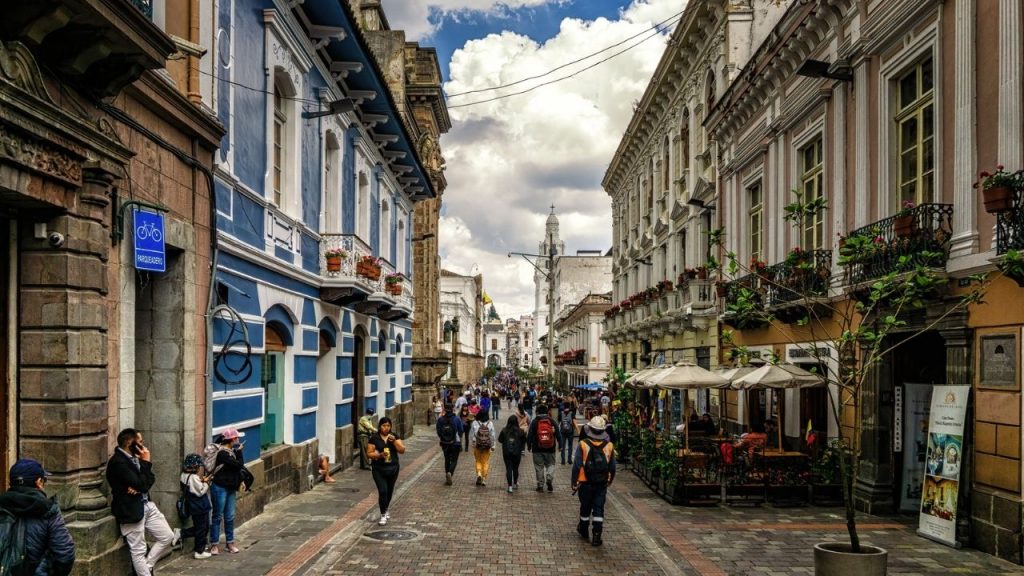
Quito’s accommodations span everything from restored 17th-century residences in Old Town to contemporary boutique hotels in La Mariscal and La Floresta.
Many visitors choose to base themselves near the historic center, where options range from elegant heritage properties to simple guesthouses and mid-range boutique stays.
This mix, including several noted in an overview of budget-to-luxury hotels around Old Town, captures the city’s colonial character and modern comfort.
10 Recommended Things to Do in Quito
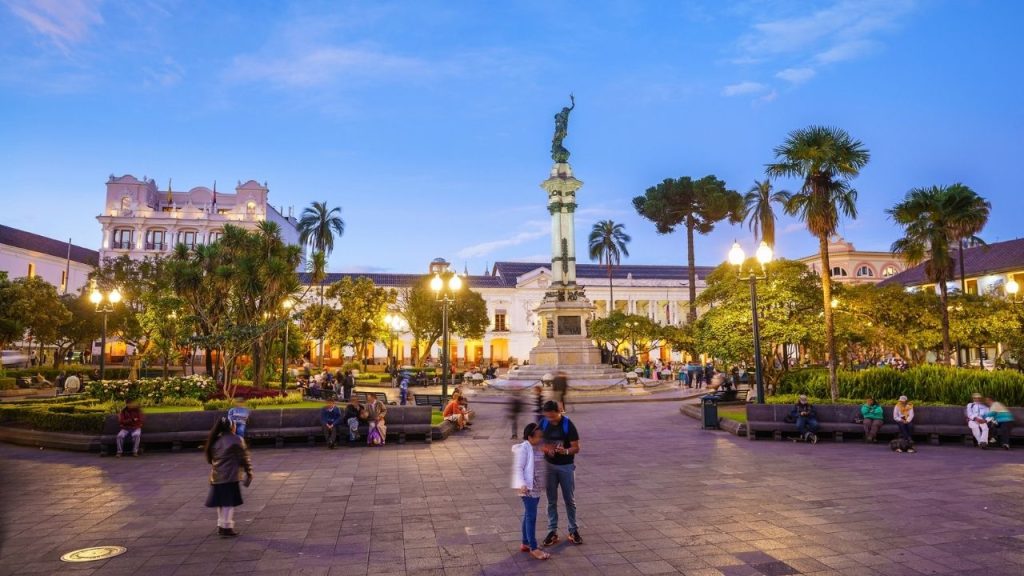
1. Explore Quito’s Old Town (Centro Histórico)
One of the best-preserved colonial centers in Latin America, Old Town is a maze of narrow streets, grand plazas, and ornate churches.
Don’t miss: Plaza de la Independencia, The Archbishop’s Palace, Calle La Ronda (especially in the evening), and the City Museum.
Old Town is lively, walkable, and full of surprises with musicians, artisans, historical archways, and colorful balconies.
2. Visit the Church and Convent of San Francisco
This 16th-century complex is Quito’s most iconic religious site, known for its baroque architecture, gold-leaf interior, and two towers presiding over a massive plaza. Visit the museum to learn about Quito’s artistic traditions.
3. See La Compañía de Jesús
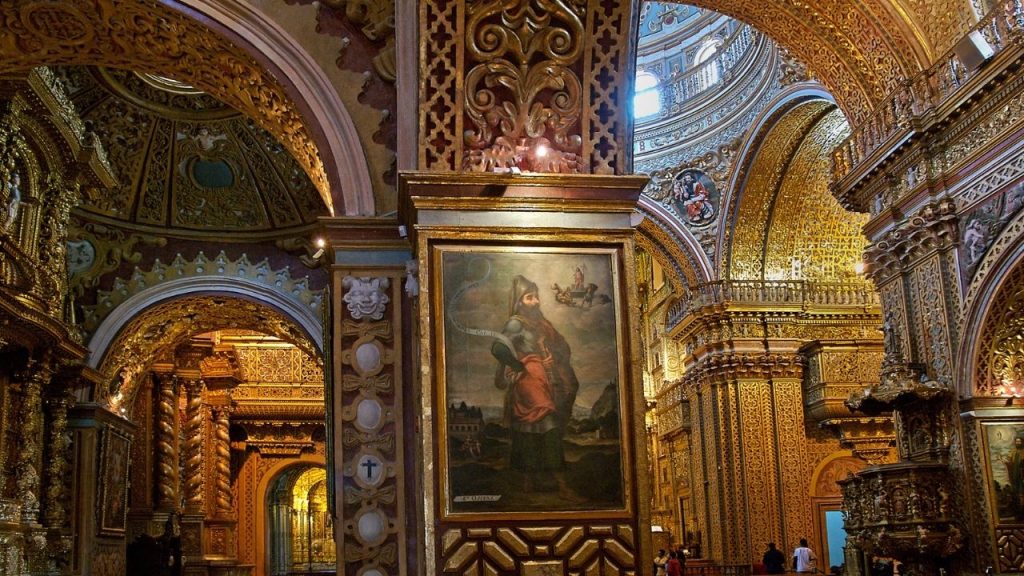
Often called the “Golden Church,” nearly every surface glows with gold. It’s easily one of the most beautiful churches in South America and a Quito must-see.
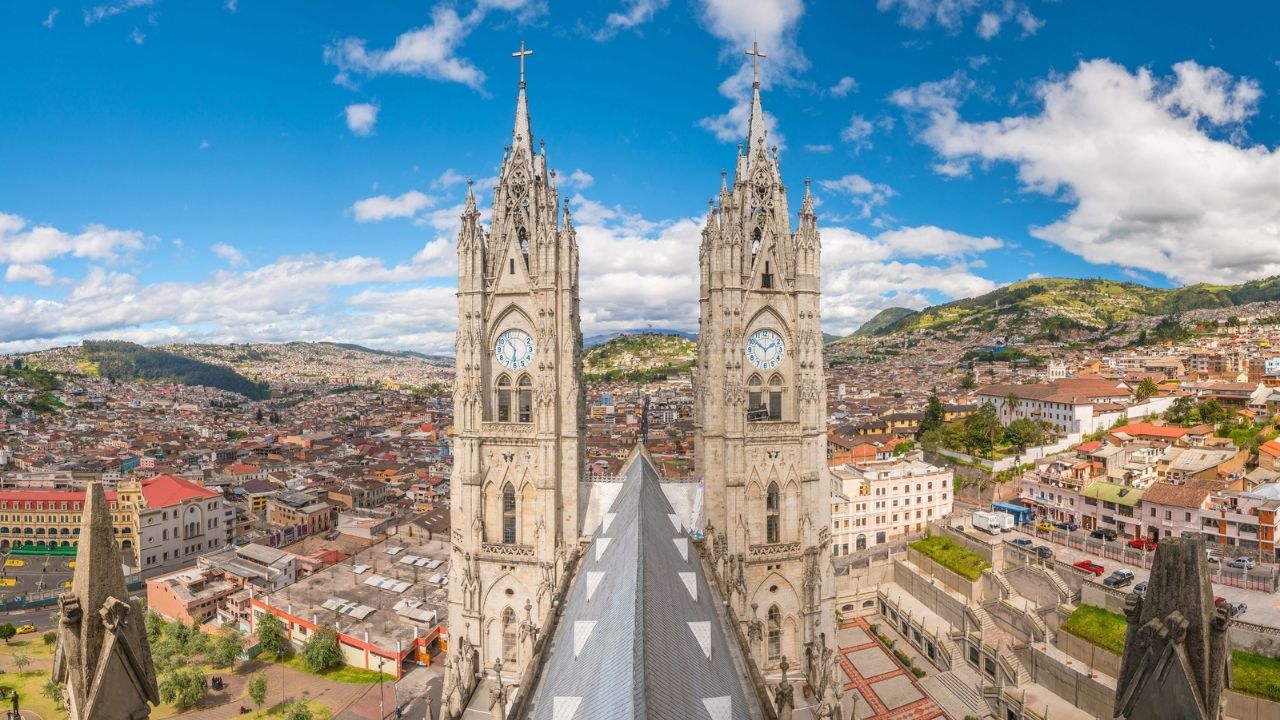
4. Climb the Basílica del Voto Nacional
This neo-Gothic cathedral resembles Notre-Dame, but with Ecuadorian details like stone iguanas, turtles, and condors in place of European gargoyles.
Adventurous visitors can climb the steep ladders and walk across the high interior wooden catwalk for spectacular city views.
5. Ride the Teleférico Cable Car
The Teleférico carries you from 9,350 feet to more than 13,000 feet, offering amazing views over the city and the surrounding mountains. At the top, you can:
- Sip coffee at a viewpoint café
- Walk to the Rucu Pichincha hiking trail
- Take great photographs above the clouds
Mornings offer the clearest skies.
6. Stand on the Equator at Mitad del Mundo
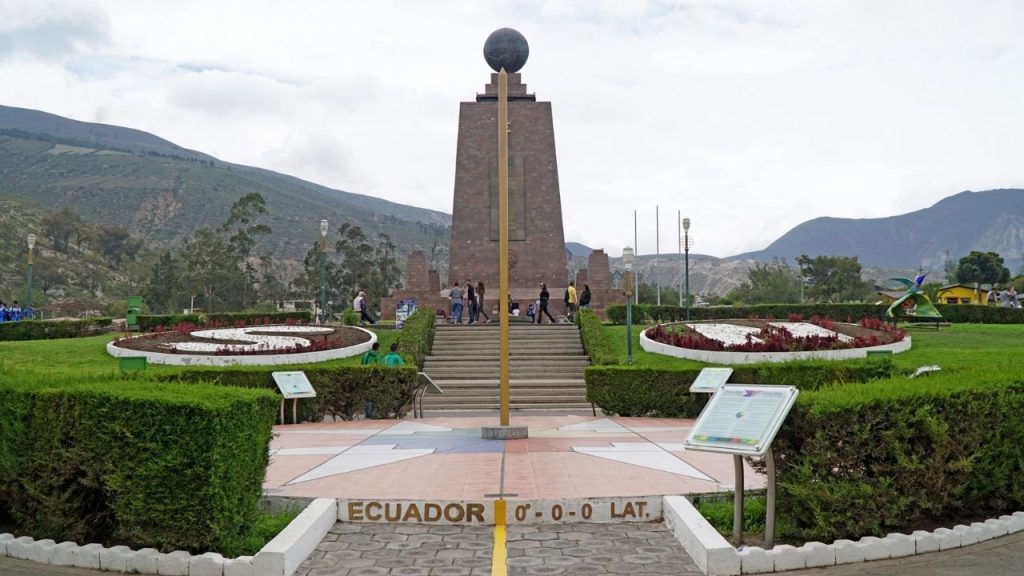
Just 45 minutes from Quito is the famous “Middle of the World” monument marking 0° latitude. While the main complex is touristy, it’s still a fun stop.
Tip: The Intiñan Museum next door is more culturally enriching, with interactive exhibits and Indigenous history.
7. Guayasamín Museum & Capilla del Hombre
Celebrating the work of Ecuador’s most famous artist, Oswaldo Guayasamín, this museum complex explores themes of identity, struggle, and humanity. The hilltop location also offers beautiful views of northern Quito.
8. Stroll La Carolina Park
Quito’s version of New York’s Central Park, this massive green space is full of life: joggers, families, street food stands, botanical gardens, and the charming Parque La Carolina greenhouse.
9. Otavalo Market (or Shop for Hats in Quito)
If you don’t have time for a full Otavalo day trip, Quito still offers excellent shopping for handicrafts, Andean textiles, and Ecuadorian hats.
This is a wonderful place to decide what to buy, and to learn the history behind the famous misnamed “Panama Hat,” and which styles make the best souvenirs.
10. National Museum of Ecuador (MuNa)
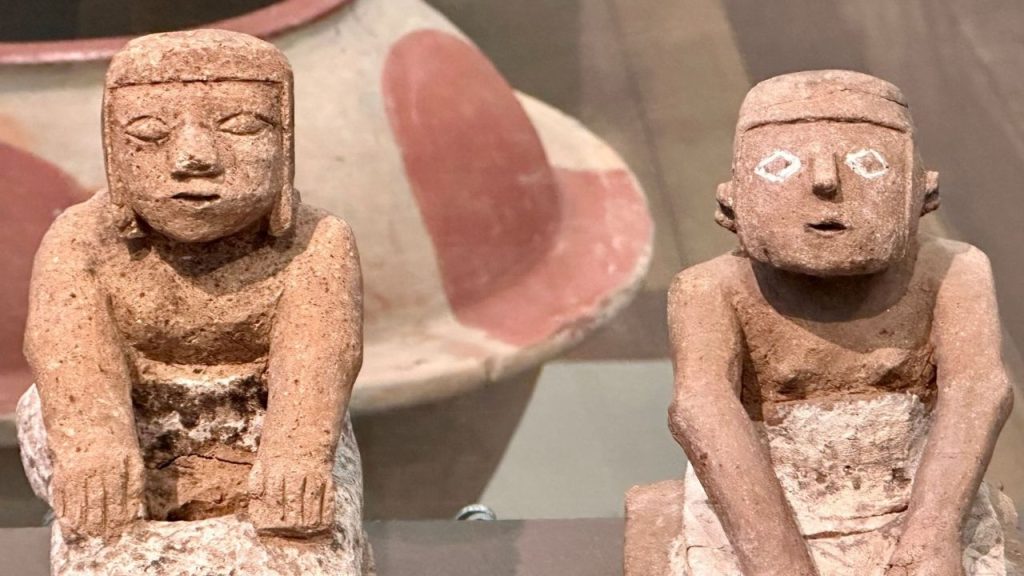
A fantastic stop for travelers wanting context before exploring Ecuador further. Exhibits include pre-Columbian pottery, gold artifacts, colonial art, and contemporary installations.
Traditional Ecuadorian Food & Restaurants
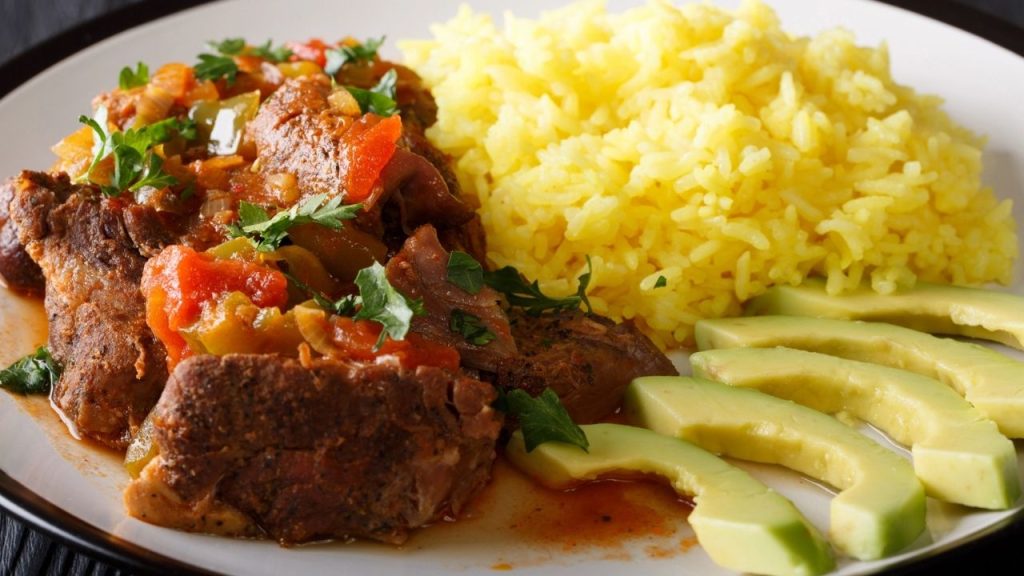
You’ll find a mix of Andean comfort foods, hearty soups, and fresh-market ingredients.
- Locro de Papa: A creamy potato soup topped with cheese, avocado, and sometimes crispy pork bits.
- Empanadas Quiteñas: Quito has its own version, dusted with powdered sugar for a sweet-savory combo.
- Seco de Chivo: A slow-cooked goat stew with naranjilla (lulo) fruit, usually served with rice and plantains.
- Ceviche (Ecuador-style): More citrus-forward and served with popcorn or plantain chips.
- Cuy (Guinea Pig): A cultural specialty for adventurous eaters, usually roasted whole.
Here are a few standout restaurants to try:
- Café Mosaico: Known for its sweeping city views, especially at sunset.
- La Purísima: Southwestern Quito spot offering inventive takes on classic Ecuadorian dishes.
- El Maple: Beloved vegetarian restaurant in La Mariscal.
- Bandido Brewing: Great pizza and craft beer inside a former chapel.
- Tianguez (under San Francisco Church): A café, museum shop, and artisan market in one.
For signature cocktails and modern Ecuadorian cuisine, head to the La Floresta neighborhood, known for its street art and hip restaurants.
Three Great Day Trips from Quito
1. Cotopaxi National Park
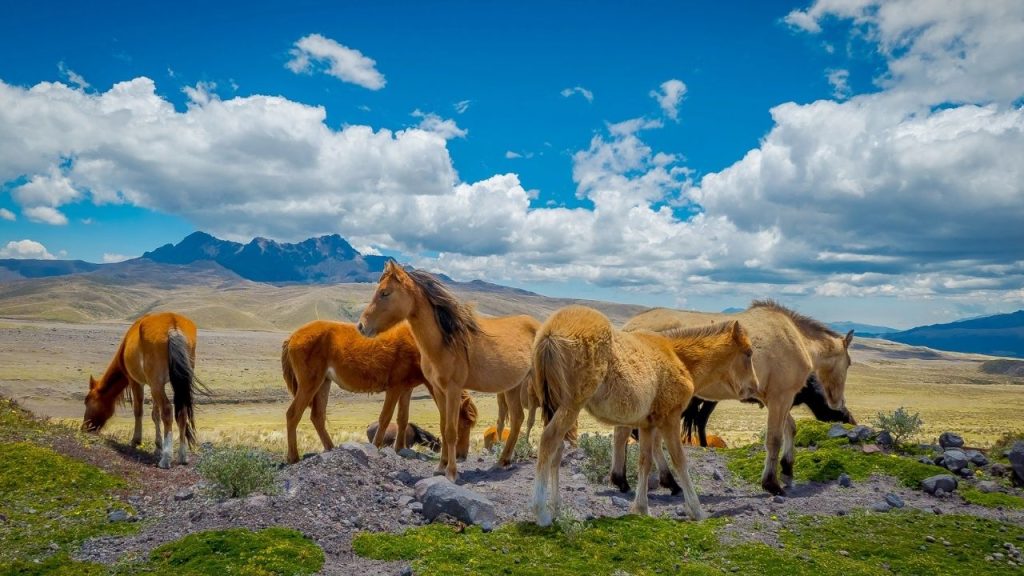
Just 90 minutes south of Quito, Cotopaxi National Park is one of the world’s tallest active volcanoes. Here you can: hike to the glacier line, visit the Laguna Limpiopungo, ride horses on the páramo, and enjoy crisp, panoramic views.
The landscape is wide, empty, and surreal. This is a perfect place for nature lovers and photographers.
2. Otavalo & the Andean Highlands
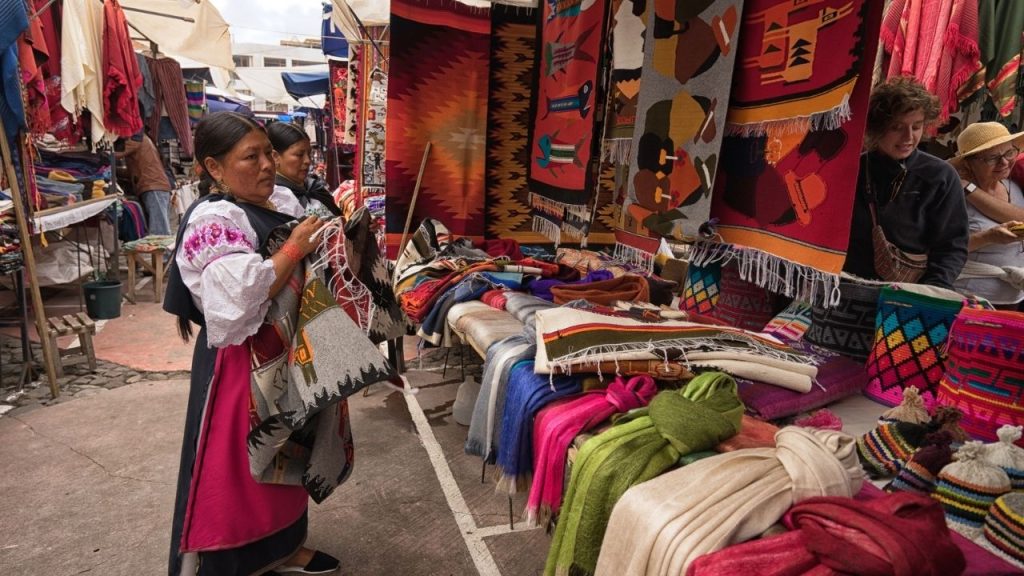
Famous for one of South America’s largest Indigenous markets, Otavalo is a rewarding full-day adventure. Beyond the market, you can also visit: Peguche Waterfall, Cuicocha Crater Lake, and local weaving workshops.
If you love handicrafts, textiles, or photography, Otavalo is a must.
3. Mindo Cloud Forest
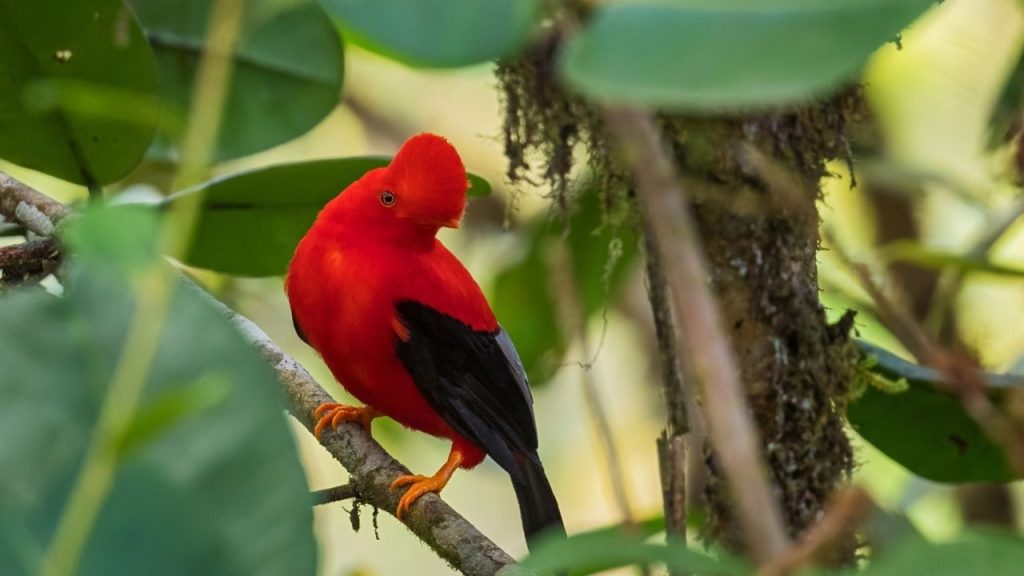
About two hours west of Quito, the Mindo Cloud Forest is a little paradise for wildlife lovers. Activities include:
- Birdwatching (hummingbirds everywhere!)
- Cloud forest hikes
- Chocolate-making tours
- Butterfly sanctuaries
- Zip-lining through canyons
It’s one of the easiest ways to experience Ecuador’s biodiversity.
Why Quito Belongs on Your South America Itinerary
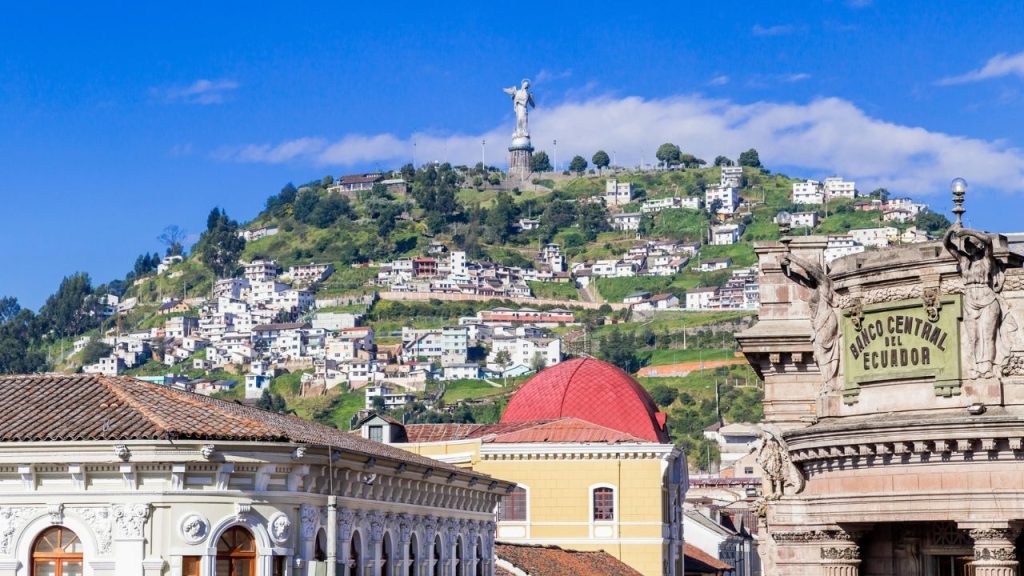
Quito is a city that surprises people in the best way. It’s historic yet modern, busy yet peaceful, and full of culture, color, and high-altitude magic.
Wander the Old Town’s cobblestones, sip canelazo at a viewpoint café, shop for traditional Ecuadorian hats, or head out on a day trip to Cotopaxi or Mindo! Quito offers deep cultural richness and unforgettable experiences.
With its accessible airport, excellent hotels, and endless things to do, Quito is not just a gateway to the Galápagos; it’s a world-class destination in its own right.
If you’re planning a trip to South America, make sure Quito earns a well-deserved spot at the top of your list.

Liz Jurkowski
Liz Jurkowski is a travel writer, former international educator, and founder of Suitcase and Sunglasses, where she shares family-friendly travel guides from her adventures across 92 countries. Born and raised in Laguna Beach, California, Liz now helps travelers explore the world with confidence, cultural understanding, and a sense of fun.